Let Her Cry
The narrator of 'Let Her Cry' tells you exactly what he did while she was leaving: he sat on the porch and watched the phone. He never tried to go.
There is one line in “Let Her Cry” that the song never apologizes for. A woman is drinking herself away. She shows up at the narrator’s door at dawn, she cries on the floor, she walks back out into her life. And the second verse tells you what he did about it: “I sat on the porch, I watched the phone, I never tried to go.”
He did nothing. The song is honest enough to say so.
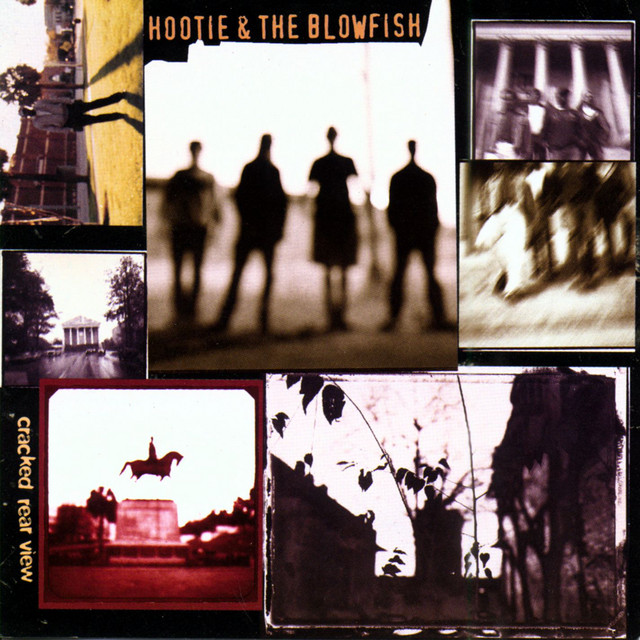
On the surface this is every bar-band ballad of the mid-nineties. Strummed acoustic guitar. A story about a woman with a bottle and a bad situation. It played between pool games at last call in bars a long way from Columbia, South Carolina, where the band came from, and it kept playing for about three years. It won the Grammy for Best Pop Performance by a Duo or Group with Vocal in 1996. The record it came from, Cracked Rear View, sold twenty-one million copies in the United States — still one of the best-selling debut albums ever made.
None of that is why I’m writing about it.
I’m writing about it because of the verse most people had stopped listening to by the time it arrived. The first verse is a portrait, and a flattering one for the narrator: he watches, he holds the space, he doesn’t push. He lets her cry. That’s a recognizable kind of care, and the song could have stayed there and been fine.
It doesn’t stay there. The second verse is a confession. He didn’t call. He didn’t go after her. He sat on the porch and watched the phone, and the song offers no explanation that makes him more sympathetic, because there isn’t one. This is what happened. He did the thing people sometimes do, which is nothing, and she walked out, and he watched her go.
Darius Rucker’s voice is built for exactly that sentence — big enough to carry warmth, plain enough to carry truth. He doesn’t dress the admission up. He lets it sit in the song the same way the narrator let her sit on the floor.
The record was produced by Don Gehman, who had spent the eighties recording John Mellencamp — Uh-Huh, Scarecrow, The Lonesome Jubilee — records that took working-class American life as it was, without prettying it. He brought that to what Hootie recorded in Nashville in 1994. Nothing on “Let Her Cry” is polished past the point of contact. Mark Bryan’s acoustic guitar sounds like a guitar in a room. Dean Felber’s bass sits low and patient underneath it. There’s breathing in it.
The band had been playing together since the University of South Carolina in the late eighties, years of bar sets and club circuits before anyone outside the Carolinas knew their name. That mileage shows in what they don’t play. About ninety seconds in, Rucker stops singing and the band just holds the room — guitar, bass, air. The drums mostly stay out of the way, which is its own skill. The song needed room, and they gave it room.
The whole thing runs five minutes and eighteen seconds, long for radio in 1994. It earns the length by refusing to hurry toward a resolution that isn’t coming.
The rock press had contempt for this band almost from the moment they got big. The nineties had no use for earnest — grunge had set the terms, and anything that didn’t traffic in irony or noise got treated as bad faith. Hootie was too warm, too direct. The press sneered, and the band kept selling millions of records to people who didn’t read the press, which is most people.
I think the contempt missed what the song actually is. “Let Her Cry” is about a specific kind of helplessness — loving someone you can’t reach, and eventually not trying anymore. That is not a shallow subject. It doesn’t need distortion or borrowed alienation to be legitimate. It needs a voice that can say a plain hard thing plainly, and Rucker has always had that voice.
The third verse comes and she’s gone again. The narrator is still sitting where he’s been sitting. The chorus returns one more time, and the word cry lands in Rucker’s voice like something he’s been carrying a while. Then the song does the honest thing: it doesn’t end so much as continue. The band fades around him. The acoustic guitar stays.
No resolution arrives, because none arrived. She’s out there somewhere. The phone is on the porch.
He never tried to go.