Long Time Gone
June 5th, 1968. David Crosby is watching television when Robert F. Kennedy gets shot in a Los Angeles hotel kitchen. Two months after Martin Luther King Jr. Five years after JFK. The country is bleeding out on live TV, and Crosby picks up his guitar.
By morning, he had this song. Written in a fever, in a rage, in whatever state you’re in when hope dies in front of you for the third time in five years. “It’s been a long time comin’,” he wrote. “It’s goin’ to be a long time gone.”
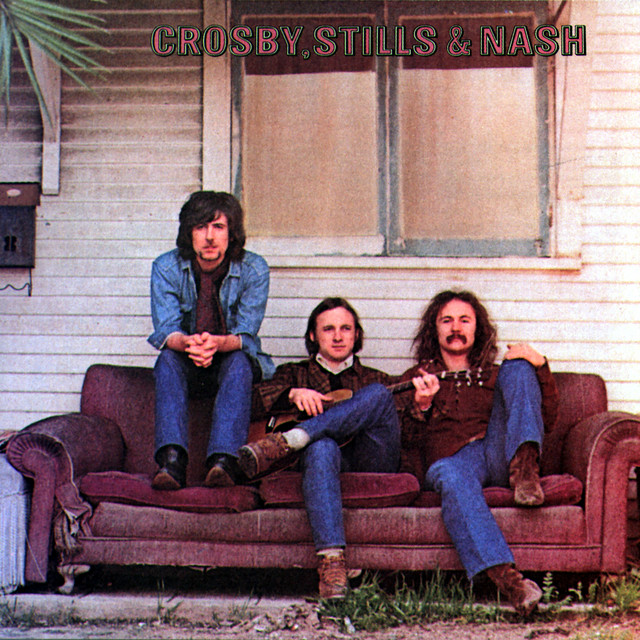
CSN wouldn’t form for another year. When they did—Crosby, Stephen Stills, and Graham Nash, three harmony addicts from three different bands—this was one of the first songs they cut. Those voices, God. The way they stack on top of each other like a choir from some alternate timeline where the sixties actually worked.
The song doesn’t name Kennedy. It doesn’t need to. It’s about the morning after, when you wake up and realize that the good guys don’t always win. That bullets find the people trying to change things. That “someday” might never come.
Stills plays bass like a man possessed. The whole thing builds and builds, Crosby’s rhythm guitar churning underneath those harmonies, until it feels less like a song and more like a funeral pyre. They’re not mourning one man. They’re mourning possibility itself.
“Speak out, you got to speak out against the madness.” It’s a command and a plea at the same time. Crosby knew even then that silence was complicity. That watching things fall apart without screaming was the same as helping them fall.
Fifty-five years later, the song still sounds urgent. Which tells you everything you need to know about how far we’ve come.
Some songs capture a moment. This one captures the moment when a generation realized the world wasn’t going to be saved by good intentions.
Get tomorrow's spin in your inbox.