Sorrow
That opening guitar line. Eight seconds of pure David Gilmour, recorded live in the empty Los Angeles Sports Arena just to capture the natural reverb. Most guitarists spend their careers trying to find a tone this good. Gilmour found it in an empty building.
A Momentary Lapse of Reason is the Pink Floyd album nobody defends. Roger Waters was gone, having declared the band “a spent force” and sued to stop them from using the name. Critics savaged it as corporate rock with prog pretensions. They weren’t entirely wrong.
But they missed “Sorrow.”
The song is about grief, but not the weeping kind. It’s the grief of someone standing at a distance from their own life, watching it happen to someone else. “The sweet smell of a great sorrow lies over the land,” Gilmour sings, and you can feel the disconnection. The numbness.
What saves the song—what makes it actually transcendent—is the guitar work. Gilmour doesn’t solo so much as testify. Each bend, each sustain, carries more emotional weight than the lyrics can manage. The words describe sorrow; the guitar is sorrow.
There’s something heroic about making this album at all. Waters had been the band’s lyrical heart, its conceptual engine. Without him, Gilmour could have just cashed checks on the legacy. Instead, he built something new.
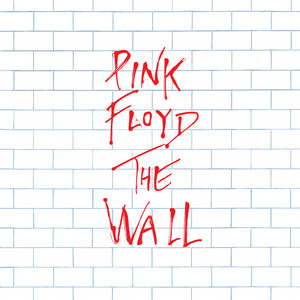
It’s not The Wall. It’s not supposed to be. It’s a different kind of monument.
Get tomorrow's spin in your inbox.