Come Sail Away
The first two minutes are a lie. A beautiful, delicate, completely sincere lie.
“Come Sail Away” opens like a hymn—Dennis DeYoung at the piano, singing about childhood dreams of sailing away to distant shores. It’s soft. It’s vulnerable. If you walked into a room during those first two minutes, you’d think you were hearing a completely different band.
And then the drums come in.
The transformation is one of rock’s great magic tricks. The piano doesn’t disappear—it gets buried under a wall of synthesizers and guitars that builds and builds until the whole thing is soaring. The angel spaceship imagery arrives, and what started as a folk ballad about longing becomes something entirely different. Something louder. Something stranger.
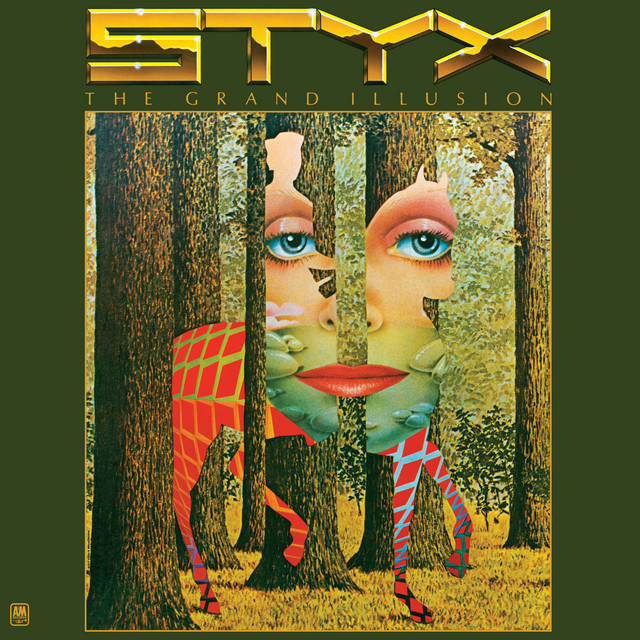
I resisted Styx for years. They were the band your dad liked, the band that classic rock radio played between AC/DC and Zeppelin like they belonged there. Too theatrical. Too polished. Too… earnest.
But here’s the thing about earnestness: it only works if you commit completely. Half-measures produce cheese. Full commitment produces transcendence. DeYoung commits so completely to this song—to its ridiculous alien abduction narrative, to its emotional journey from quiet hope to screaming catharsis—that you can’t help but follow.
“I’m sailing away, set an open course for the virgin sea.”
The words are almost nonsensical if you think about them too hard. But nobody thinks about them too hard. You just… go. The song carries you from its quiet beginning to its explosive end, and by the time you get there, you’ve forgotten that this wasn’t what you signed up for.
That’s the gift. Six minutes of your life, transformed without your permission.
Get tomorrow's spin in your inbox.