You Don't Know How It Feels
MTV wouldn't play the video and radio edited the line, and Tom Petty couldn't understand what the fuss was about.
MTV wouldn’t play the original video because Petty’s vocals were mixed to make it sound like he was saying something else, and radio edited the line, and Petty didn’t care.
He wasn’t trying to be provocative. He wasn’t making a statement. He was writing about riding around and being tired of people who think they understand you, and one line was the truest, most direct way he knew to say it. The fact that it caused a fuss seemed to genuinely confuse him.
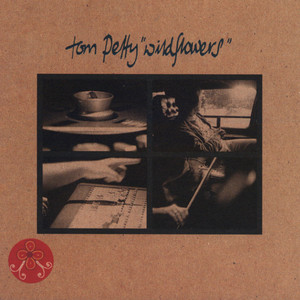
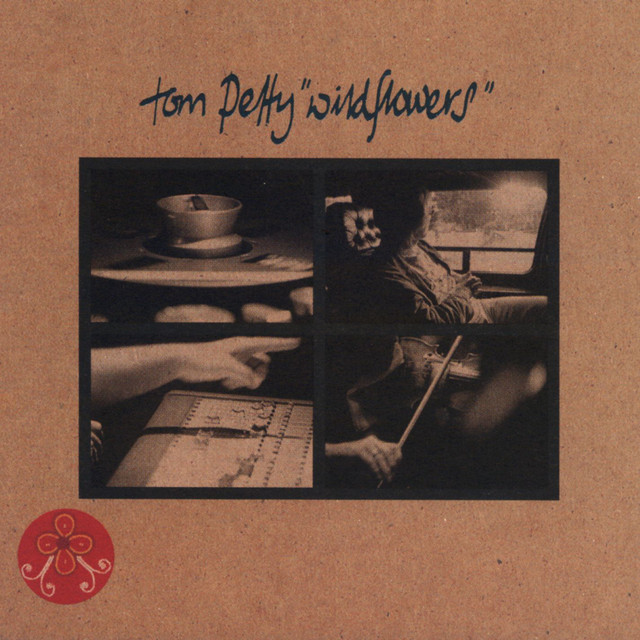
Wildflowers came out in the fall of 1994. He and Rick Rubin went out to the Bel Air house where Rubin was living and built the record slowly, room by room, no rush, no interference. The Heartbreakers were there, mostly — Benmont Tench on the organ, Mike Campbell doing what Mike Campbell does, which is find the exact right guitar part and play it like it’s no big deal. But the record breathes differently than anything else in the catalog. Looser. Less polished. Like somebody finally told him he didn’t have to prove anything.
He didn’t.
The song isn’t about much. Roll another joint, take a ride, let me get to the point. It’s a shrug. And the shrug is the most disarming thing in the world, because Petty delivers it with complete conviction, no wink, no apology.
“So let me get to the point, let’s roll another joint.”
That’s the thing about Petty that gets lost when people talk about the hits, about “Free Fallin’” and “Refugee” and “American Girl.” He was almost constitutionally incapable of posturing. He wrote from wherever he actually was, not from wherever he thought he should be. When he was angry, the songs were angry. When he was worn out, the songs sounded like this — a shuffle, a harmonica, a lyric that doesn’t try to be more than what it is.
Campbell’s guitar through the track is a clinic in restraint. He finds a riff and lives in it, doesn’t show off, doesn’t wander. Tench’s organ is the same way, present and warm and never stepping on anything. Rubin understood that the song needed air and gave it air. The production is a proof of concept. If the song is right, you don’t have to dress it up. You put a good band in a room and let them play it.
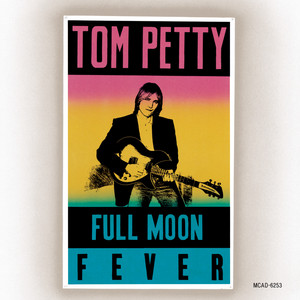
Petty was forty-four when Wildflowers came out. He’d been at it for twenty years by then — the Mudcrutch days in Gainesville, the early Heartbreakers records, the MCA lawsuit where he went essentially broke fighting for the right to price his own album, the Traveling Wilburys, Full Moon Fever, the whole long road. He had nothing left to prove and everything left to say.
He said once that Wildflowers was his favorite of all his records. You can hear why. It’s the one where he stopped running and sat down somewhere comfortable and played the song exactly as he heard it in his head. No more, no less.
“You Don’t Know How It Feels” is a man done explaining himself to you. Not bitter about it. Not wounded. Just done. He couldn’t understand why one line caused a fuss because to him it wasn’t a line worth fighting over — it was only the truth, said plainly, the way he said everything.
The song runs four minutes and forty-nine seconds.