Woodstock
Joni Mitchell wasn’t at Woodstock. Her manager told her to skip it for a TV appearance on Dick Cavett. So she sat in a New York hotel room, watching the news coverage, and wrote this song about an event she experienced entirely through a screen.
That’s the thing about “Woodstock.” The most iconic song about the festival was written by someone who wasn’t there. Mitchell pieced together the meaning from secondhand reports, from phone calls with Graham Nash, from the images flickering on her television. And somehow she captured something that the people actually standing in the mud might have missed.
“We are stardust, we are golden.” That line has become such a cliché that it’s easy to forget how radical it sounded in 1970. Mitchell wasn’t being sentimental. She was making a metaphysical claim—that a half-million people gathering for music wasn’t just a concert but a reclamation of something essential about being human.
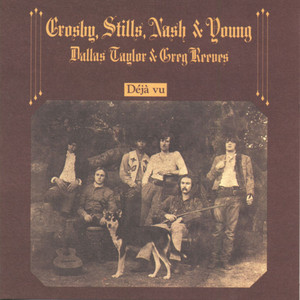
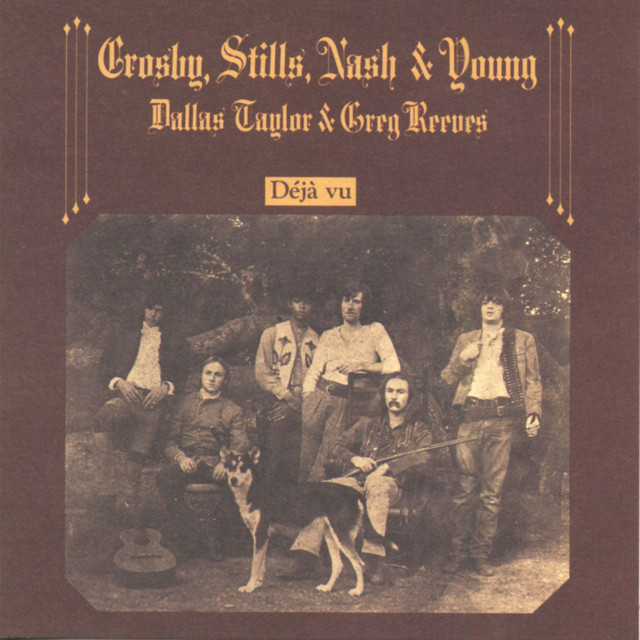
CSNY’s version transforms Mitchell’s folk ballad into something heavier, more urgent. The electric guitars push against the idealism, adding an edge that the original didn’t have. By the time they recorded it, the sixties were technically over. The dream was already becoming a memory.
But that’s what makes the song work. It’s not a celebration—it’s an elegy disguised as an anthem. Mitchell wrote it from distance, and CSNY recorded it from distance. They were all looking back at something they could feel slipping away.
We are still, somehow, trying to get back to the garden. We probably always will be.
Get tomorrow's spin in your inbox.