Comfortably Numb
The second solo runs longer at Pompeii than it does on the record. That extra length is forty years of Gilmour learning what to do with it.
The chorus of “Comfortably Numb” is one sentence: I have become comfortably numb. Roger Waters wrote it and then stopped writing, because once you’ve named the numbness there is nothing else to say. So the guitar says it. David Gilmour’s solo runs about two minutes, and in those two minutes he says everything the lyric couldn’t.
At Pompeii, at sixty-nine years old, the second solo runs longer than it does on the record.
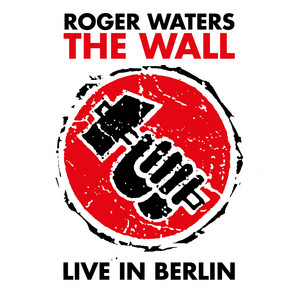
The original came out on The Wall in 1979. Waters wrote the words and the chord changes. Gilmour wrote the solos and the melody. They fought about it in the studio, with Bob Ezrin refereeing, and what came out the other side was something neither of them could have made alone. That is the thing the song has carried ever since. Its greatest strength is the collision of two people who could barely stand each other.
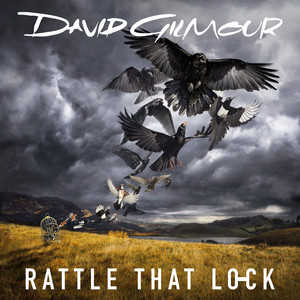
When the band broke, Waters got the rights to The Wall show and Gilmour got the Pink Floyd name. They have not shared a stage in any meaningful way since the one-off 2005 Live 8 set. So when Gilmour took “Comfortably Numb” to Pompeii in 2016 — to the actual Roman amphitheater where Floyd filmed their 1971 concert film, now with a full band and an audience for the first time — he was reclaiming it. Saying it was his too. The Live at Pompeii recording that came out in 2017 holds the whole performance. Nine minutes and fifty-eight seconds.
The verses move with the same slow gravity they always had. Waters’ lyric is a doctor talking to a catatonic rock star, but it is also a parent talking to a child they can no longer reach, a person talking to a version of themselves they have lost. Hello? Is there anybody in there? The question lands the way it always lands.
Then the chorus opens, and you hear what the amphitheater gives back — sound absorbed and returned by stone walls that predate rock and roll by two thousand years.
And then Gilmour solos. He plays it like a man who has spent four decades accumulating everything he couldn’t say at the time, and now finally has the room to say it. The second solo, the one that closed the original record, runs longer here. He lets notes sustain until they almost disappear, then pulls them back. It is not shredding. It is closer to breath work. To someone speaking very carefully because he knows he won’t get another chance.
The choice of Pompeii is worth sitting with. Pink Floyd filmed there in 1971 when the amphitheater was empty — no audience, just the band playing to ruins and cameras. The music was supposed to be enough on its own. The 2016 return inverted that. Full audience, full production, lights against ancient stone. Gilmour was not recreating the original film. He was closing a circle that had been open for forty-five years.
A man in his late sixties went back to the place where a younger version of himself made something extraordinary, and tried again. Not because the first time fell short. Because he is different now, and the song is different now, and the only way to honor that is to play it again and see what changed.
The stones don’t care about the old argument between two men. They just give the notes back, a little warmer, a little older, traveling the same distance they always were. What changed is the length of the second solo. Gilmour knows exactly how long two minutes of guitar can last, and at Pompeii he chose to mean every second of it.