Everywhere
In 1987, inside a band that was coming apart, Christine McVie wrote a love song with no conditions in it.
Christine McVie wrote “Everywhere” in 1987, inside a band that was coming apart.
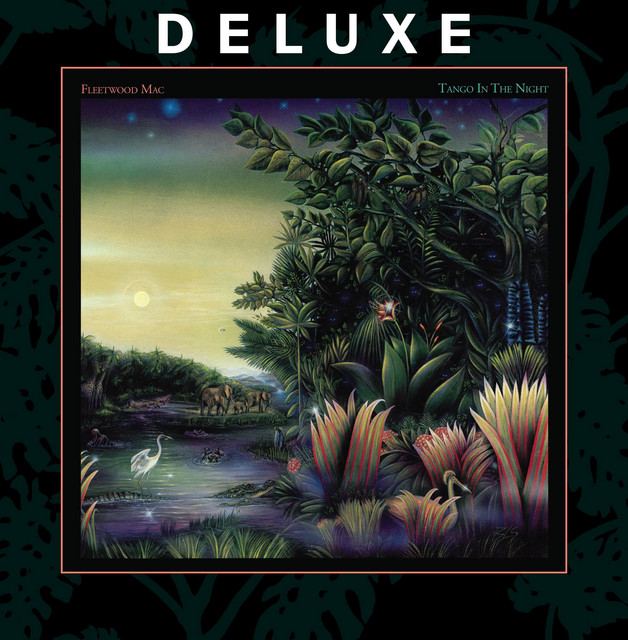
That’s the fact the song asks you to hold. By the time Fleetwood Mac made Tango in the Night, they had been through divorces, affairs, cocaine. Lindsey Buckingham was barely speaking to anyone. Stevie Nicks was in and out of rehab. The fact that they were in a studio together at all is its own small wonder. And in the middle of that, Christine sat down and wrote a love song with no conditions in it.
The lyric is almost nothing. Oh, I want to be with you everywhere. That’s the whole claim. No bargaining, no wound being dressed, no case being made. A woman saying: I want to be where you are. All the time. Everywhere.
Most songs that aim for happy work too hard at it. They stack major chords and handclaps and ask you to feel something bright, and you can hear the asking. “Everywhere” doesn’t ask. It arrives already glowing. Three minutes and forty seconds, and not one of them spent convincing you of anything.
The production is pure 1987 — shimmering synths, gated drums, Buckingham’s layered guitars building a wall of warmth around her voice. Almost everything made that way has dated. This hasn’t. I think the reason is simple: the feeling underneath is so plain that no amount of production can bury it. The machinery of the era is all over the track, and the track doesn’t care. The song would survive being played on anything.
And her voice. Warm, steady, without a trace of pretension. She doesn’t perform the joy. She just states it, the way you’d state a fact you’ve checked twice.
It matters who wrote it, and it matters when. The Stevie-and-Lindsey psychodrama was the band’s public engine for a decade — the beautiful argument. Christine was standing in the same rooms, breathing the same wreckage. She could have written about any of it. She had the material.
She wrote this instead. A song so uncomplicated it sounds like it came from a different universe than the people playing on it. That’s not naivety. Naivety is not knowing the wreckage exists. Christine knew exactly what it cost to keep a band like that alive, and she chose to put three and a half minutes of uncomplicated love on the record anyway. Choosing joy from inside the damage is a harder discipline than describing the damage. The damage describes itself.
It’s the song you hear bleeding through a wall on a Saturday afternoon, muffled and bright, and recognize before you can name it. It’s the song you put on when the house is chaos and you need to be reminded that the chaos is temporary and the love underneath it is not. It doesn’t fix anything. It just stands there sounding like the argument is over.
That steadiness is hers. It was always hers. In a band famous for storms, she was the one writing the weather you actually wanted to live in.
Christine McVie died in 2022. Quietly — no farewell tour, no drama. The same way she did everything.
She wrote this song in the middle of the wreckage, and there is no wreckage in it. The band’s storms are history now, footnotes and documentaries. The three minutes and forty seconds of glow she set against them are still here, still walking into the room.
She left quietly. The song didn’t.