Landslide
Stevie Nicks wrote "Landslide" in Colorado in the winter of 1974, twenty-six years old, broke, living in the shadow of Lindsey Buckingham's career while her own hadn't started yet.
Stevie Nicks wrote “Landslide” in Colorado in the winter of 1974, twenty-six years old, broke, living in the shadow of Lindsey Buckingham’s career while her own hadn’t started yet. She had given herself a deadline. If the music didn’t work out, she was going back to school.
She stood at the base of the Rocky Mountains and looked up and wrote the song on the spot — not as a metaphor, but as a direct report from where she was standing.
That matters because the song is sometimes treated like a general meditation on time and aging, the kind of thing you put on a playlist when you’re feeling philosophical. It’s not. It’s a twenty-six-year-old woman standing in the cold, terrified, asking the mountain whether she has what it takes to survive what’s coming. Everything philosophical in it came later — when audiences carried it into their own reckoning and found it still fit. But at the source, it was specific and frightened and real.
“I’ve been afraid of changing, ‘cause I’ve built my life around you.”
She was singing to Lindsey. She was also singing to the version of herself that needed him. Maybe those were the same thing.
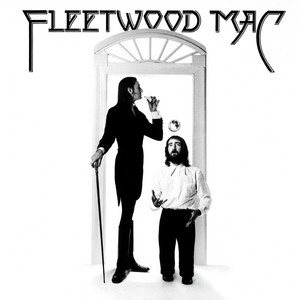
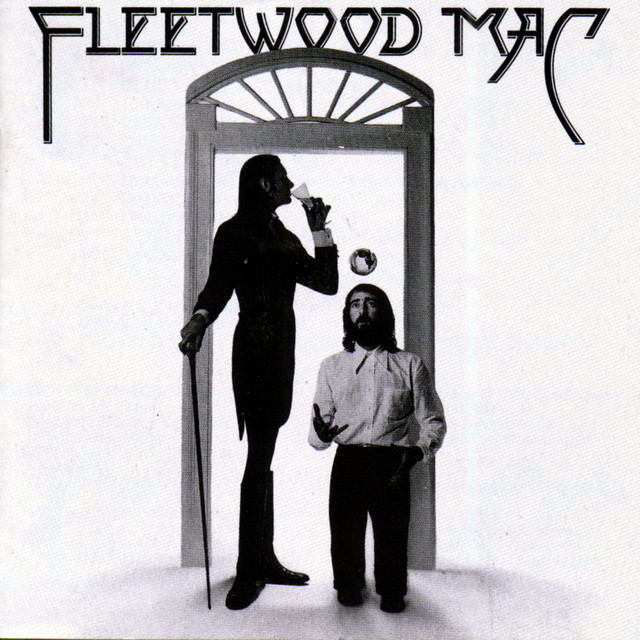
Fleetwood Mac recorded it for their 1975 self-titled album — the one that brought Nicks and Buckingham into the band and rebuilt it entirely. Buckingham produced it and played the guitar part himself, a fingerpicked pattern that is so clean and unhurried it sounds simple until you try to replicate it. He used a classical guitar technique, no pick, and the result is something that breathes differently from the rest of the record. The notes have space between them. They don’t fill the air; they find it.
Christine McVie plays piano underneath, and her restraint is the other half of the arrangement. She’s barely there. She knows when to stay out of the room.
Nicks’s voice on that recording is younger than anyone remembers it being. That surprises people the first time they notice it, because the song has been so thoroughly absorbed into the canon of songs that feel ancient and earned. But she was twenty-six. She was asking a question she didn’t have the answer to yet.
The answer took decades to arrive, in the form of audiences who kept bringing the song back to her. She has performed it live more times than she could count, and every few years a new generation discovers it and claims it — usually at the exact moment they need it, the moment when they’re standing at the edge of something and can’t see the bottom. The song is built for that specific moment, and it doesn’t age out of usefulness.
Lindsey Buckingham still plays it with her, or did for most of their time together. There is something almost unbearably honest about watching two people who loved each other, broke apart, and rebuilt something professional over the wreckage — watching them stand on stage and perform a song she wrote about being afraid to lose him. They have done that for fifty years. Whatever they managed to become to each other after everything, they kept showing up for that song.
“Well, I’ve been afraid of changing, ‘cause I’ve built my life around you.”
Past tense. And then she’s still there, still singing it, still looking out at the crowd.
There is a version of this post where I tell you what the song means — about aging, about identity, about the way the self keeps shifting under your feet like snow on a mountain. But the song already does that, and it does it without explaining itself. What Nicks understood, maybe instinctively, maybe out of pure necessity, is that a great lyric doesn’t tell you what it means. It just describes the mountain and trusts you to have seen one.
She didn’t know, in the winter of 1974, whether she was going back to school. She didn’t know the album would sell. She didn’t know that the scared woman who stood at the base of those mountains and wrote a song about a landslide would spend the next fifty years performing that song to sold-out arenas full of people who needed it the way she had needed it.
The mountain didn’t answer her question. The song did.