Back Where I Come From
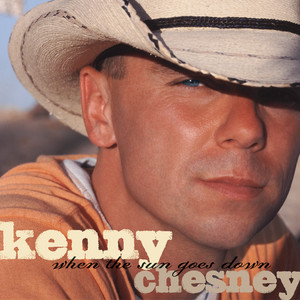
The demo Kenny Chesney recorded for "Back Where I Come From" was good enough that his producer left it almost exactly alone.
The demo Kenny Chesney recorded for “Back Where I Come From” was good enough that his producer left it almost exactly alone.
That’s not how Nashville usually works. Nashville in the mid-nineties was a machine — strings, background vocals, radio-ready polish applied by committee. What Mac McAnally wrote and what Chesney put down in that room was specific enough that touching it too much would have broken it. So they didn’t touch it much. The song came out in 1996, and it’s still the most honest thing Chesney ever put his name on.
McAnally wrote it, which matters. He’s the kind of songwriter Nashville runs on and rarely thanks out loud — eight-time CMA Musician of the Year, Buffett collaborator, the man who wrote “It’s My Job” and “Down the Road” and a hundred other songs you know without knowing his name. He’s from Belmont, Mississippi, a town of a few thousand people just inside the state line from Alabama, and when he wrote this song he wasn’t reaching for a universal statement about Small Town America. He was writing about a specific place with specific things in it — little white churches, front porch sitting, the particular quality of light in a Southern afternoon that you either grew up in or you didn’t.
That’s what makes it hold.
“Inspired by a holy rolling preacher and a grandfather’s hand, blessed by the beauty of it all.”
The genius of that lyric is the list. Not one thing — three things, stacked fast, each one a whole world. A preacher. A grandfather’s hand. Beauty as its own category of experience. McAnally understood that you don’t communicate home by explaining it. You communicate home by naming things quickly, the way you’d name them to someone who already knows what you mean, and trusting the listener to fill in the rest from their own inventory.
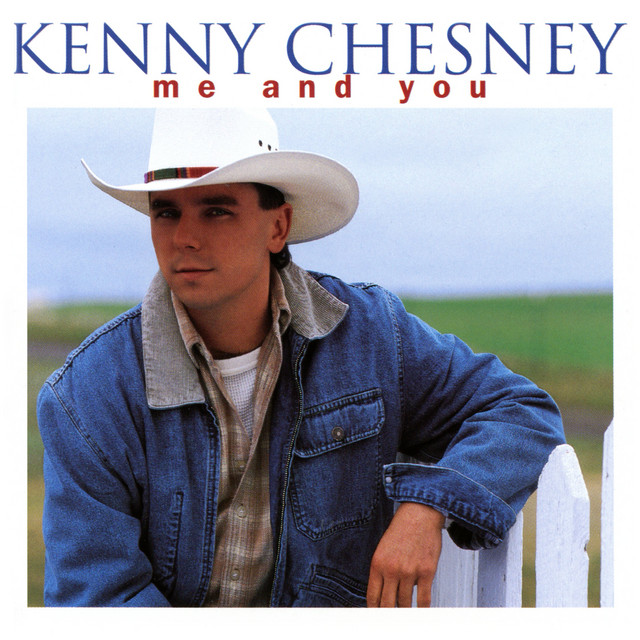
Chesney understood that too. He was twenty-eight when the album came out, still early in a career that would eventually sell out stadiums and build a whole aesthetic around boat drinks and beach escapes. But in 1996 he was still a kid from Luttrell, Tennessee — tiny place in Union County, an hour north of Knoxville — and when he sang back where I come from he was singing it from inside the thing, not looking back at it through a windshield.
There’s a version of this song that could have been a slogan. Back where I come from — cue the imagery, cue the flag, cue the proud-to-be sentiment that country radio was already getting comfortable with in those years. McAnally didn’t write that song. The specificity won’t let it be that song. A slogan is vague on purpose. This song is not vague about anything.
“We were both born blue-eyed and lucky, in a small town, southern summer heat.”
Lucky. That’s the word that keeps it honest. Not blessed, not chosen — lucky. There’s a randomness in lucky that the other words don’t have. You were born here, and you were lucky to be born here, and the luck part means you know full well not everybody got what you got.
The production is light-handed — acoustic guitar forward, a little steel, no wall of sound. It lets the lyric breathe. The Bar-Kays weren’t in the room; it was a Nashville session, not a Memphis one, but the instinct was the same: serve the song, don’t decorate it.
Chesney went on to become a very big artist in a very particular direction — the beach, the sun, the getting away from it all. And that trajectory is real and you can trace it. But I think about what this song was asking him to carry at the start of it. Not escape. The opposite of escape. The refusal to pretend that where you came from is something you can outrun or that you’d want to.
The closing lyric just repeats the title, over and over, letting it sit. Back where I come from. Back where I come from. Not going back. Not wishing he could. Just naming it, the way you name something you carry with you everywhere you go whether you mean to or not.
That’s not nostalgia. Nostalgia softens things. This song doesn’t soften anything. It just holds the place steady in both hands and says: here. This is the thing. I’m not going to explain it to you more than that.