He Stopped Loving Her Today
The note was written in the lyric.
The note was written in the lyric. That’s the whole trick of it.
Billy Sherrill and Curly Putman handed George Jones a song where the man in the story keeps a letter his old girlfriend sent him, frames it by his bed, reads it until he goes blind, watches the years drain out of him — and dies without her. And the line they needed, the line the whole song bends toward, was this one:
He stopped loving her today.
Which is not what you expect. You wait through verse after verse of grief compounding, a life wrecked and held together and wrecked again, and when the title finally lands, it lands as obituary. He stopped. Past tense. Because he’s dead.
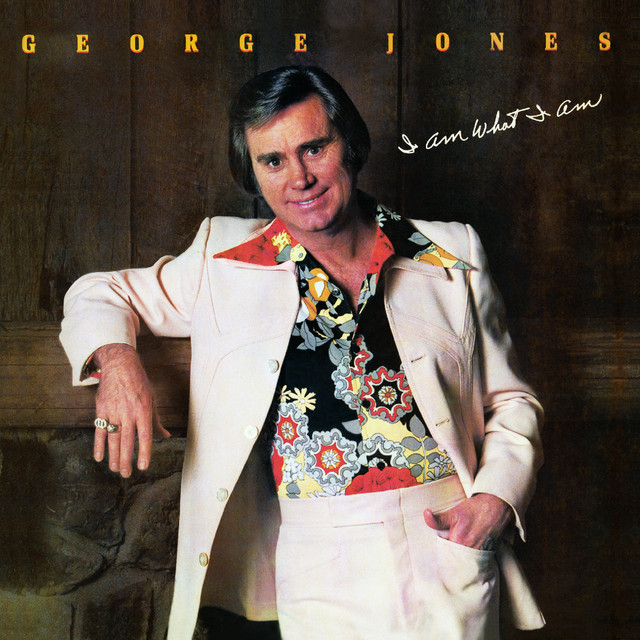
Jones had been handed a lot of songs by 1980. He had a voice that could carry almost anything — the yodel break, the catch in the throat, the way he could lean on a vowel until it told the truth. What he didn’t always have was the right material. But he looked at this one and told Sherrill he thought it was the worst song he’d ever heard. Too maudlin. Nobody would believe it. He cut it anyway, eventually, because Sherrill wore him down.
It took two years and multiple sessions to finish. Jones was so far into his drinking that he couldn’t always get through a take — this was the era when he was showing up to shows on tractors or not showing up at all, when his nickname had become No-Show Jones and it wasn’t affectionate. The fact that the record got made at all is partly a testament to Sherrill’s patience and partly to whatever Jones could still reach when he sat in front of a microphone and let the song do its work.
What Sherrill did with the production is worth stopping on. He added a spoken-word passage — Jones reciting a few lines over strings, the way a man might read from something he’s been carrying around too long. It could have been corny. On any other singer, delivered any other way, it probably would have been. Jones makes it sound like a man running out of things to say and deciding to just say the facts plainly, because the facts are enough.
And maybe that’s because Jones knew something about loss that wasn’t secondhand. By 1980 he had watched his marriage to Tammy Wynette come apart — years of it, the fights and the reconciliations and the final quiet end of it. He had watched himself become someone he didn’t entirely recognize. The man in the song keeps a forty-year torch burning until it kills him. That’s not a foreign emotional register for George Jones. That’s closer to a map.
The song hit number one in June of 1980 and stayed there. It won the CMA Award for Single of the Year. Music Row, which had heard ten thousand country songs about love gone wrong, voted it the greatest country song ever recorded, and kept voting it that way for years.
But here’s what the awards don’t capture: the song works because it refuses to comfort anyone. There’s no redemption in it. The man doesn’t move on. He doesn’t find peace. He loves her until his body quits, and then — and only then — does it stop. That’s the argument the song makes about certain kinds of love: they don’t release you. You don’t release them. The only exit is the one nobody asks for.
Jones sang it for the rest of his life. He died in 2013, thirty-three years after the record came out, and it was still the song people called the definitive thing — not because it was his biggest hit in a commercial sense, but because it was the one that told the most truth about what happens to people who feel too much and can’t put it down.
He didn’t think it was any good. Then he sang it, and it was the truest thing he ever recorded.
Sometimes the song knows more than the man does.