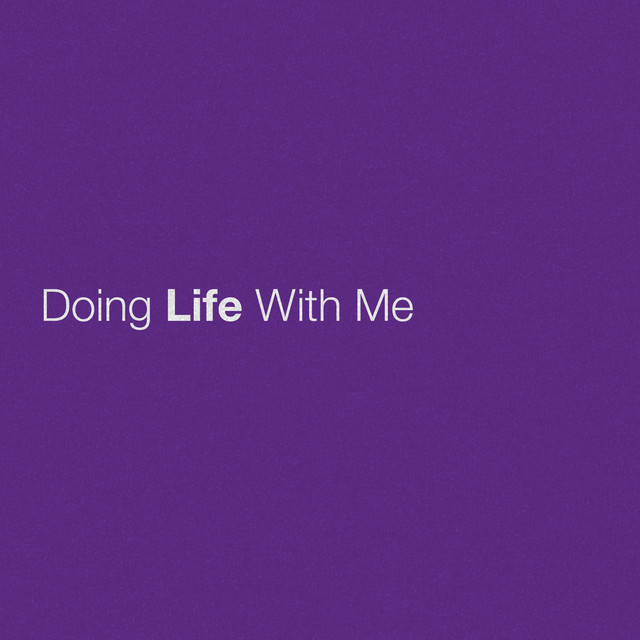
Doing Life with Me
Brandy Clark wrote the last line first.
You’ve seen me at my low, you’ve seen me at my high, you know all the reasons I could make you cry.
Most love songs flinch from that part. The full inventory of what you’ve cost somebody isn’t usually material for a song; it’s the thing a song is built to cover up. Hold that line for a minute — we’ll come back to it — because how this one got written is its own story.
Brandy Clark wrote the last line of the song first. That’s how she’s described her process on songs like this one: find the destination, then build the road. And the destination is four words — doing life with me — that refuse every greeting-card construction available. Not living life together, not sharing a journey. Just the plainest possible way to say that life is a thing you do, and you’re doing it with somebody, and that turns out to be the whole deal.
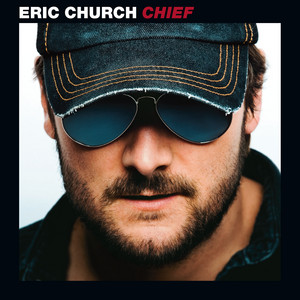
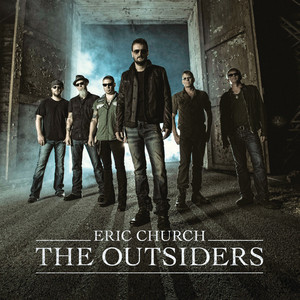
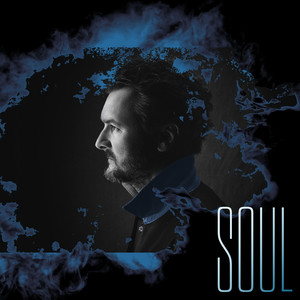
Church put it on &, the double album he released in 2021 — forty-four tracks split across three records, pulled from the digital platforms on release so the first way anyone heard it was in a movie theater. Twelve hundred theaters. One night. No singles, no radio rollout, no algorithm. He’d been watching the industry eat itself and decided to feed the audience directly instead. That’s the loud half of the story. This song is the quiet half: a guitar, the barest production from Jay Joyce, Church’s voice working at about half its usual throttle. It doesn’t announce itself. It unfolds.
It’s a marriage song that comes at marriage through the back door — not the wedding, not the falling in love, not the cinematic moments, but the Tuesday mornings and the unremarkable years and the person across the kitchen who has watched you at your worst and stayed. Church has been married to Katherine Blasingame since 2008, and whatever the song knows, it sounds like earned knowledge. Joyce, the architect of most of Church’s best records, understands that silence is a texture; there are moments here where the arrangement pulls back so far it feels like a held breath, and what’s left is the voice and what the words mean. Church can sing like he’s trying to be heard from the parking lot. This is the version of him that sits down.
Which brings it back to that opening line. He doesn’t smooth the inventory into something more flattering — the low, the high, all the reasons to leave stay right there in the open — and the weight of the song is in what the other person did with all of it. They stayed. There’s a kind of gratitude in that with no better name than humility. Not the performed kind, where a man lists his flaws to look self-aware. The genuine kind, where someone looks across the years and understands, without theater, that they got more than they earned.
Three minutes and fifteen seconds, almost nothing in the room, and a last line that existed before the song did.