Eminence Front
Pete Townshend wrote it at a synthesizer, not a guitar — a song about a shimmering, expensive front, built out of one.
Pete Townshend wrote “Eminence Front” at a synthesizer in 1982.
Not a guitar. A synthesizer. The choice carries the song. He was writing about a shimmering, expensive, convincing surface — and he built the song out of one. The groove locks in early and it does not crack and it does not stop, and somewhere around the three-minute mark you realize it isn’t going to.
“The sun shines, and people forget. The spray flies as the speedboat glides.”
That’s the cover story. The public face. The eminence front.
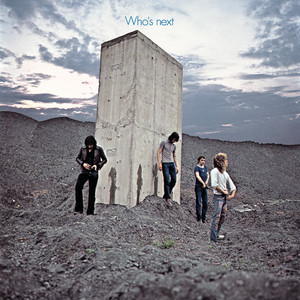
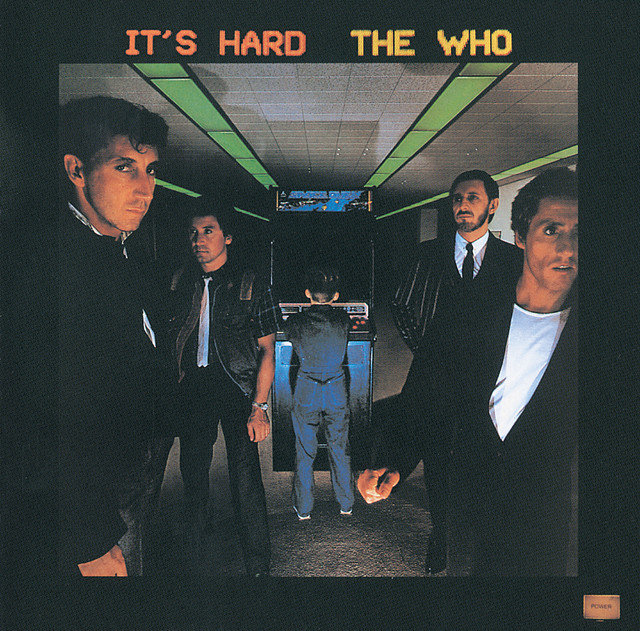
It’s Hard came out in September 1982. Keith Moon was four years dead. John Entwistle was still there, holding the low end the way he always had, like that was his job and nobody else’s business. Roger Daltrey was still the voice. But the tension that had made Who’s Next feel like a building about to collapse went with the drummer. The band was a triangle that used to be a square. You feel the missing corner.
By most accounts it was a band running on fumes and obligation. Out of that record came this song anyway.
Townshend wrote it about cocaine. He has said so, more or less. The London scene in the early eighties — the money, the powder, the beautiful suits on beautiful people doing terrible things to themselves while keeping perfect posture.
But the song doesn’t stay in that room. It’s about every performance of ease. The networking event. The company dinner. The family reunion. The version of yourself you’ve agreed to maintain while the real situation accumulates quietly behind your eyes.
“It’s a put on.”
That’s the line Townshend keeps coming back to. Not an accusation. A statement of fact, delivered flat, over a groove that never breaks.
Glyn Johns produced. The same man who had been in the room for Who’s Next, who had worked on Led Zeppelin and Exile on Main St., who knew what a band sounded like when it was on fire. You can hear 1982 pressing in at the edges anyway — the gated drums, synthesizers carrying weight that would have been unthinkable on Baba O’Riley a decade earlier.
And it works because of that, not despite it. The slick surface is the subject. The song is made of the thing it’s describing.
It runs five and a half minutes and barely changes. That’s the other decision. No build toward release. No windmill guitar solo. No moment where the facade cracks and the real feeling floods through. The groove keeps going. The party keeps going. You keep dancing, because what else would you do — stand in the corner and announce you’ve figured it out?
Townshend was thirty-seven when this record came out. He had written Tommy and Quadrophenia. He had come through the kind of decade that either kills you or produces work, and he came out the other side with his hearing destroyed by his own guitars, his band missing its drummer, and his best work — probably — behind him.
He knew what a front was. He had worn several. He kept wearing them. Most of us do.
That’s why the song isn’t a sneer. It isn’t aimed at the people in the speedboat from a safe distance. It’s written from inside the trick, by a man who knows exactly how it gets done — what it costs to keep the smile up, and what’s accumulating behind it.
That’s the part I keep coming back to. He built this song on a synthesizer — the smooth, bright, untiring surface — and then sang against it about what surfaces cost. The line comes around again and again across those five and a half minutes. It’s a put on. It’s a put on.
He doesn’t sound like he’s telling the crowd. He sounds like he’s reminding himself.