In God's Country
"In God's Country" is two minutes and fifty-six seconds long. On a record built out of enormity, that brevity is the whole argument.
“In God’s Country” is two minutes and fifty-six seconds long.
That number matters, because The Joshua Tree is a record built out of enormity. “Where the Streets Have No Name.” “With or Without You.” Songs that take their time because they earned the room — wide desert vistas, America as an idea, Bono reaching for the sky with both hands. And then, at the start of side two, this: compact, urgent, finished before you’ve had time to brace. They don’t waste a note.
The album was recorded mostly at Danesmoate House and STS Studios in Dublin in 1986, with Brian Eno and Daniel Lanois producing. Those two understood space — what you leave out of a room shapes the room as much as what you put in. Lanois especially had a feel for music that sounded like weather, like geography. He had done Robbie Robertson’s solo record. He would do Oh Mercy for Dylan two years later. He heard songs as places.
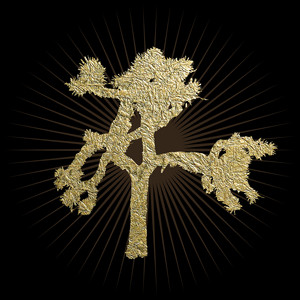
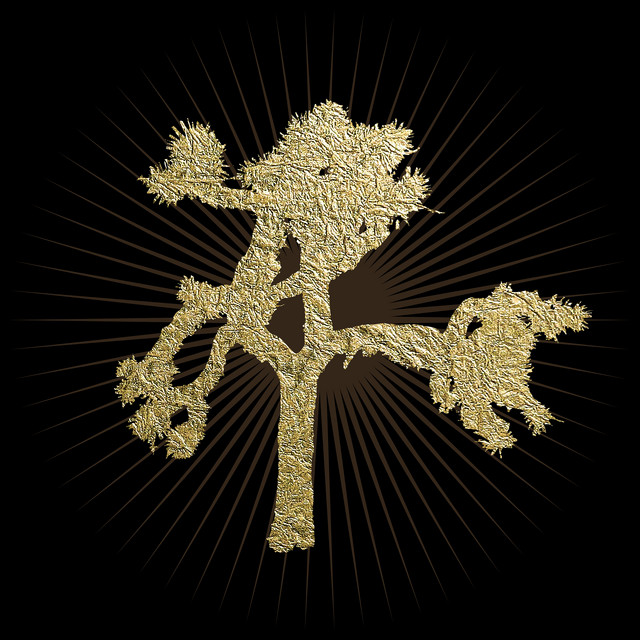
And The Joshua Tree, down to the Anton Corbijn cover photo shot in the Mojave, is a record about a place. Or about the idea of a place, which is a different and riskier thing.
“In God’s Country” is where that idea starts to crack.
“She is liberty, and she comes to rescue me.”
It’s a love song and it isn’t. When a band wants to write about a country without writing a policy paper, they personify it — make it a woman, give it desire and failure, give it the weight of a thing that promised everything and is still working out what the promise costs. The America U2 were falling for in the mid-eighties was the America of Springsteen and Flannery O’Connor and Woody Guthrie, the dust and the dream and the open road. Not the America of the Senate floor. The America you drive across at night with the radio loud.
The Edge carries that tension the way he always carries things — in tone, not words. About forty seconds in, his guitar comes in bright and ringing and almost violent in its certainty, and the whole machine locks into place. The line isn’t triumphant. It’s urgent. It’s the sound of belief running up against its own edges, of something trying to stay together. Larry Mullen Jr. is locked in underneath, precise and driving. Adam Clayton holds the center. The big album tracks breathe. This one sprints.
Here is what gets lost when people talk about The Joshua Tree: how young they were. Bono was twenty-six when they went into those Dublin sessions. The Edge was the same age. They had been grinding since their teens in Artane, famous for years already, and still figuring out what they wanted to say. The record has been called a statement about America, a spiritual document, a peak they would spend the next thirty years in the shadow of. Probably all true. But underneath all of it they were kids who had read too much and felt too much and were trying to write songs equal to what they were carrying.
“In God’s Country” is the moment the feeling outpaces the philosophy. Instead of sitting with the vastness, they run at it. Two minutes and fifty-six seconds, and then you’re back at the beginning, blinking.
“Desert sky, dream beneath a desert sky.”
The Joshua tree is a strange plant. It doesn’t look like anything else in the Mojave — arms going in every direction, a little grotesque, a little desperate, like something reaching for help. Mormon pioneers named it after the biblical Joshua, because its outstretched limbs looked like a man pointing toward the promised land. Whether you’re headed toward something or stranded in the middle of nowhere depends entirely on who you are when you arrive.
The song knows that. That’s what the urgency is. Not triumph, not arrival — the running itself. The big songs on this record stand still and let the landscape fill the frame. This one keeps moving, because stopping would mean having to answer the question the album keeps asking about America, and at twenty-six they didn’t have the answer. They had the road.
On an album built out of enormity, this is the shortest argument they knew how to make: the song runs two minutes and fifty-six seconds.