The Scientist
Guy Berryman came up with the bass line.
Everybody quotes the chorus wrong. “Nobody said it was easy, no one ever said it would be this hard” gets passed around as a statement of universal difficulty, a caption for any hard week. That’s not what’s happening in the song. The chorus is a man catching himself mid-explanation and realizing the explanation isn’t the point.
He wanted to go back to the start — not because the start was better, but because that’s the only move left when you can’t find a way forward. Chris Martin wrote the song after a breakup, working through the particular kind of regret that belongs to people who intellectualize everything: the ones who figure out what went wrong long after the moment when that information could have done any good. The result is an apology that refuses to apologize cleanly. A love song that can’t get out of its own head long enough to be tender.
The recording is built to sound like that compulsion. Martin wanted the piano to have a certain waterlogged, unhurried quality, and he found it by learning the chords in reverse order and recording himself playing them that way — then the tape was flipped. What you hear at the opening is a man playing something he taught himself to do the wrong way around, and it sounds like memory, which is exactly what the song is about. Guy Berryman’s bass line runs underneath it, a low, patient pulse. The whole track is built on the sonic image of time running in the wrong direction, a chord progression that feels like it’s always approaching something it can never quite reach. Ken Nelson and Martin don’t resolve that tension in the production. They just let it run out.
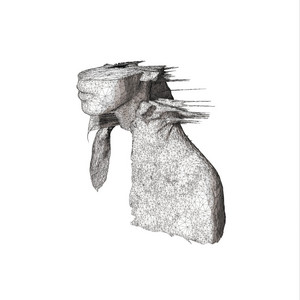
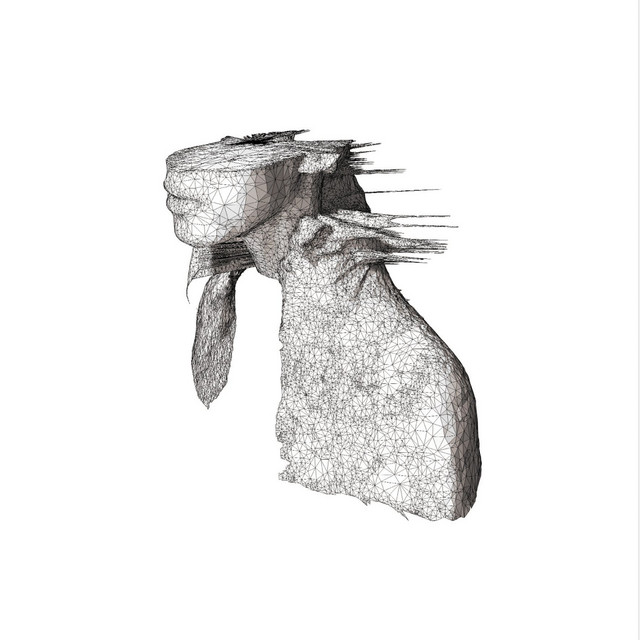
A Rush of Blood to the Head was recorded in 2002, largely at Parr Street Studios in Liverpool and AIR Studios in London, with Nelson producing — the same producer who had helped shape Coldplay’s first record. The band was twenty-four, twenty-five years old and coming off the kind of debut that puts a target on your back, everything they did next measured against “Yellow.” The answer they gave was to make something slower, more deliberate, and structurally stranger. “The Scientist” doesn’t behave the way alternative rock was supposed to behave in 2002. There’s no bridge that lifts it. The dynamic stays low and searching for the full five minutes and nine seconds, trusting the patience of whoever’s listening, and that trust was unusual for a band already playing arenas, already selling tickets by the tens of thousands. They could have made something bigger and louder and it would have charted the same. Instead the track refuses the catharsis and leaves the narrator still in the middle of the apology when it fades. That’s the real decision. Not the technique — the restraint.
“Questions of science, science and progress do not speak as loud as my heart.”
He knows the diagnosis. He can name every variable that led to the wreck. None of it is the same as being the kind of person who doesn’t cause the wreck, and that’s what the song sits with, quietly, the whole way through.
The video, directed by Jamie Thraves, took the reversal and made it visible. Thraves filmed the aftermath of a car crash and ran the footage backward, so the narrative moves from wreckage to the moment before impact, from hurt to a kind of impossible wholeness. Martin, who had spent weeks learning piano backward, spent more weeks learning his own lyrics backward so he could lip-sync while the camera walked time the wrong way — training himself to do the wrong thing correctly, twice over, as a discipline, for a song about the compulsion to undo.
The video ends at the beginning. The crash unhappens, the footage hands back the before that exists only in reconstruction, and the two of them drive away together, whole and unknowing.