Yellow
The demo they almost scrapped was the one they kept.
The demo they almost scrapped was the one they kept.
Coldplay recorded “Yellow” in a single session at Rockfield Studio in Monmouth, Wales, in early 2000 — the same residential complex where Queen had tracked parts of “Bohemian Rhapsody” twenty-five years before. Producer Ken Nelson was there. The band was young and mostly broke and still figuring out what they were. Chris Martin had the chord sequence and a melody, but no words. He walked outside into the dark Welsh countryside, looked up, and wrote the lyric to whatever was above him. The song is named after what he saw when he looked up. It wasn’t a metaphor he’d planned. He just needed a word, and that was the word, and it turned out to be the right one.
That’s the thing about “Yellow.” It shouldn’t work as well as it does. The title is a color with no established romantic symbolism — not red, not blue, not gold. The opening guitar figure is simple to the point of being almost naïve, four notes climbing and falling over an open chord, the kind of thing a patient beginner could play in the first month. The lyric doesn’t build a case or tell a story in any traditional sense. It just makes one enormous claim and repeats it in different forms for four and a half minutes.
“Look at the stars, look how they shine for you.”
That’s the whole song. Everything else is re-statement.
Martin had been writing songs since he was a teenager, mostly unremarkable ones by his own admission. Jonny Buckland, who plays the guitar line that opens “Yellow,” studied what he was doing obsessively — the tone is clean and slightly trembling, riding the neck pickup with almost no effects, just the room and the string and his fingers. It sounds like someone picking out a thought they’re not sure they’re allowed to have yet. Guy Berryman holds the bass low and steady, Phil Harvey — the fifth member, the manager, the man who left school with them and kept the machine running — was somewhere nearby. This was a band that operated as a unit, and the record sounds like it.
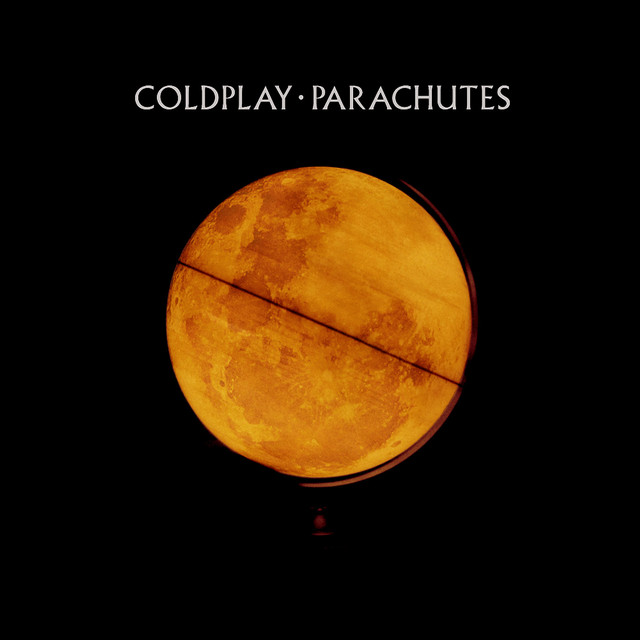
The track went out as a single in June 2000, before the album Parachute was finished. Radio programmers and label people weren’t sure what to make of it. It was too slow for the Britpop moment, too earnest for the irony-soaked end of the nineties, too plain in its sentiment for an era that rewarded cleverness. It charted at number four in the UK anyway, because some things don’t need the moment to be right.
The video is worth spending a minute on, because it tells you exactly what the band understood about the song. Martin walks along Studland Beach in Dorset at dawn, alone, in wet clothes, singing directly into the camera without flinching. No narrative. No intercutting. No other band members. Just a man walking toward you for four minutes, saying the same thing over and over with total conviction. It was filmed in one take, before sunrise, and Martin was genuinely cold and genuinely wet by the end of it. He didn’t perform the sincerity. The weather performed it for him.
There’s something in that video that explains why the song traveled as far as it did. It’s not a complicated emotion being communicated. It’s a simple one delivered without any protective irony. I would do anything for you. All of this, everything you can see, it’s yours. At the end of the nineties, when cool meant keeping your distance, that was almost a provocation.
Coldplay would go on to make bigger records. A Rush of Blood to the Head in 2002 was sharper and more ambitious. X&Y sold more. Viva la Vida turned them into something global and almost theatrical. But “Yellow” is the song that people reach for when they want to explain what Coldplay is, because it’s the one that arrived before the band knew how to protect itself. Before the stadium lights and the wristbands and the confetti cannons that would come later. Just Jonny Buckland’s guitar and Chris Martin walking through the dark, looking up, choosing a word.
The word was right. The stars were there. He wrote it down.
That’s still the whole song, twenty-five years later, and it still works exactly as well as it did.