Birds
The last major album Coldplay made before they started calling themselves a "happiness band" was *Ghost Stories* — nine songs about a marriage ending, so spare and interior that Ch
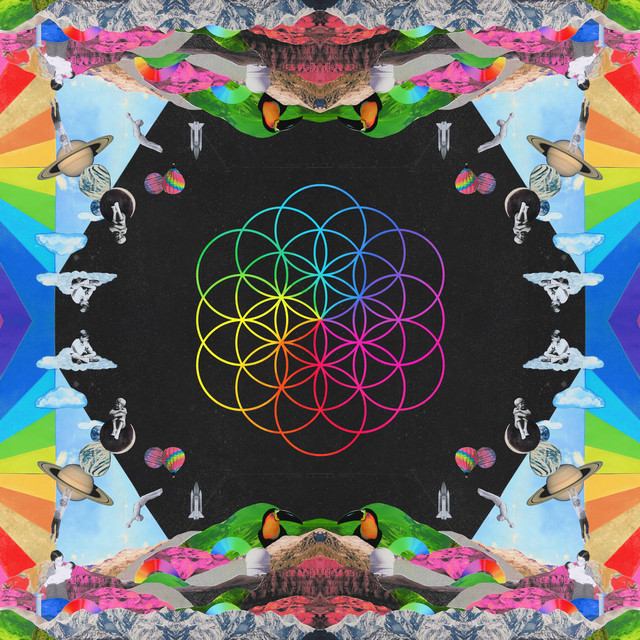
The last major album Coldplay made before they started calling themselves a “happiness band” was Ghost Stories — nine songs about a marriage ending, so spare and interior that Chris Martin barely let himself breathe on it. Then came A Head Full of Dreams, and the colors came back, and a lot of people wrote the whole record off as a pivot to stadium pop.
They missed “Birds.”
The song is not what the rest of that album is. Where A Head Full of Dreams reaches outward — the Beyoncé features, the guitars shimmer-coated until they read as synths, the maximalist staging of joy — “Birds” does the opposite. It pulls inward. It starts with a guitar figure so clean it sounds like it’s being played in an empty room, and it stays in that room for three minutes and forty-nine seconds, even as everything else is going on around it.
The lyric Martin wrote is a love song, but it’s a love song about watching someone. Not in the romantic-gaze way. In the way you watch a person you’ve loved for a long time, someone whose habits and silences and small moments you know so well that just observing them has become its own kind of sustaining.
“I was watching you, I was watching you, I was watching you move.”
That’s the whole verse. It doesn’t announce itself. It doesn’t make a case. It just sits there, describing attention.
The song was written during a period when Martin was public about grief and about trying to learn how to be still. Ghost Stories was the documented collapse. A Head Full of Dreams was supposed to be the recovery, and for the most part it played like one — loud, warm, the sound of a man who has decided to feel good again. But “Birds” is the track on that record where the stillness he’d been working toward actually shows up. The recovery here isn’t triumphant. It’s just quiet.
What Jon Hopkins does to the production is the thing worth naming, because Hopkins doesn’t get mentioned in most writeups about this song and he should. Better known for his own solo records — Immunity, Singularity, records that live in a kind of processed electronic amber — he co-produced the track, and the fingerprints are audible if you know where to look. The reverb on the vocal isn’t radio shimmer; it’s the kind of space that makes a voice sound alone in a good way. The kick that comes in partway through is felt more than heard. Everything in the low end has been handled, not pushed.
There’s a moment just past the two-minute mark where the arrangement lifts and you expect it to open up into something else, something big, and instead it settles back. The song refuses the gear shift. It stays in first. That’s not an accident — Hopkins and Martin knew what they were building, and they decided the song would hold its shape even when holding its shape required restraint at exactly the moment a lesser version of the song would release.
Martin has said the song is about his daughter, Apple. That information changes the register of the lyric entirely. What reads as a love song between adults becomes something with a different kind of tenderness — a parent watching a child figure out how to exist in the world, not wanting to interrupt, not wanting to rush it. Just watching. The watching as its own form of love.
“I never wanted anything from you, except everything you had, and what was left after that too.”
Which is the truest thing anyone has ever said about parenthood, and Martin said it inside three lines without ever using the word.
“Birds” doesn’t get played at concerts. It doesn’t get requested. A Head Full of Dreams is remembered mostly for its singles, for the light shows, for the Chris Martin who emerged from personal wreckage and decided to make people feel good at scale. And that version of the story is true. It’s just not complete.
This song is the part of the recovery that happens before anyone can see it — before the color schemes and the confetti, before you’re ready to tell anyone how you got through.
Afterward, the loud version of feeling better went out on the road and became the story people tell about this band. The quiet version never left the record. It’s still there, three minutes and forty-nine seconds, Hopkins in the low end, Martin watching his daughter move — the stretch of the recovery that stayed private even after everything else about it went public.