Mysterious Ways
Daniel Lanois heard something in the noise.
Daniel Lanois heard something in the noise.
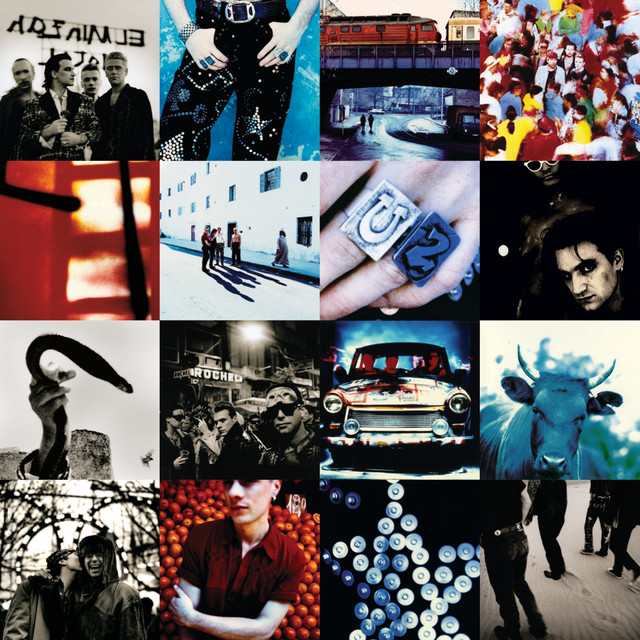
The band had been in Hansa Studios in Berlin for weeks in the fall of 1991, and things were not going well. Relationships were fracturing. The recording sessions were collapsing. Bono and The Edge were barely in the same room as Adam Clayton and Larry Mullen Jr., and the album that would become Achtung Baby looked like it might become nothing at all. Then The Edge found a guitar riff — choppy, hypnotic, built on a single descending line — and Lanois, who had been the sonic architect of The Joshua Tree and Rattle and Hum and knew this band as well as anyone outside it, recognized it immediately. He told them to keep going.
That riff became “Mysterious Ways.”
What Lanois and co-producer Brian Eno built around that riff is worth sitting with. The guitars are drenched in delay, looping back on themselves, and underneath is a groove that doesn’t sound like anything U2 had done before — it moves. It actually moves. Mullen’s drums push forward instead of planting themselves, Clayton’s bass sits low and patient and lets the whole thing breathe. The Edge ran his guitar through a wah pedal and played it like a question, not a statement. For a band that had spent a decade playing arenas with a sound built for scale, this was something genuinely different: a song that works in a room.
The sound had a family tree. Eno brought his knowledge of African rhythm, of Fela Kuti, of music that grooves because the players are listening to each other instead of marking time. The sessions had been chaotic enough to strip the band back to something instinctual. Sometimes the room breaks before the record does.
Bono wrote the lyric the way he has always written when he’s in over his head — in images rather than arguments. She moves in mysterious ways. It is not a complicated idea. It is barely an idea at all. But he sings it like a man who has just understood something that had been in front of him for years and couldn’t tell you exactly how to explain it except with that one sentence. The song is about surrender — religious, romantic, maybe both — and Bono has never been able to fully separate those two things, and probably doesn’t want to.
“It’s all right, it’s all right, it’s all right.”
He says it three times. Not because he’s convinced himself yet, but because he’s getting there.
The video is the one people remember — a barefoot woman in a red veil, the bazaar setting, the belly dancing — and it came from director Stéphane Sednaoui, who had come out of the French fashion photography world and shot it in Morocco in 1991. It got played constantly on MTV and introduced the song to audiences who might otherwise have passed it by, which is sometimes what a video is for. But the video is not the song. The song is better than the video.
What the song understood, at the exact moment U2 needed to understand it, is that they had spent a decade performing certainty — political certainty, spiritual certainty, the certainty of stadium gestures — and it had started to calcify. The Joshua Tree and Rattle and Hum had taken them to the top of the world and left them with nowhere larger to go. They had become a monument to themselves. Achtung Baby was the record where they admitted they didn’t know the answers anymore, and “Mysterious Ways” is the song where that uncertainty first sounds like a form of grace rather than a form of failure.
That is a harder thing to do than it looks.
There is a version of U2 that finishes Rattle and Hum, releases a mid-career greatest hits package, and spends the next thirty years playing themselves in tribute. That band would have had a comfortable, diminished life. Instead they went to Berlin in a rough year with damaged relationships and let Lanois and Eno push them somewhere unfamiliar, and what came back was a record that had enough doubt in it to breathe again.
The riff is still there every time the song comes on — choppy, descending, patient. The Edge found it in a bad room at a bad moment and played it anyway, and Lanois was right to hold on to it. Sometimes the noise is the message. Sometimes the thing you build when everything else is failing is the truest thing you’ll build. She moves in mysterious ways. He didn’t know yet how right he was.