Father and Son
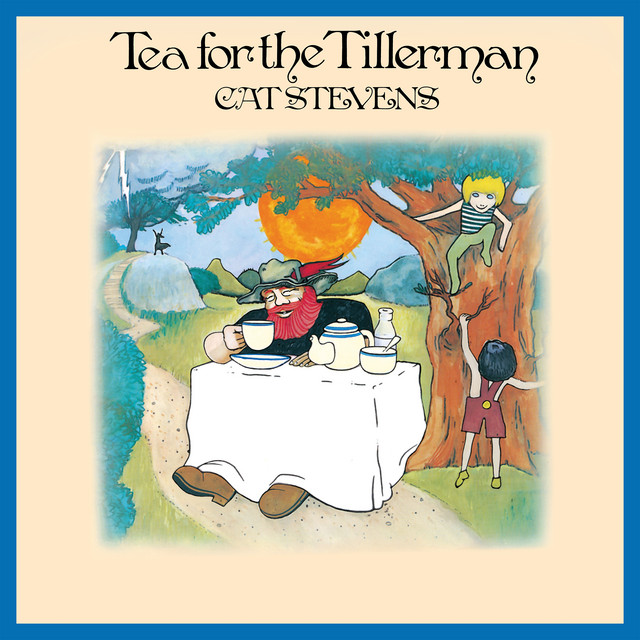
Cat Stevens sings both parts — father and son, one voice, an argument every family has had and nobody has ever won. He was twenty-two. He had only ever been the son.
Cat Stevens sings both parts.
The father and the son — one voice, lowered for the old man, raised for the boy, carrying both sides of an argument every family has had and nobody has ever won. He was twenty-two when he wrote it. He had only ever been the son. Hold onto that, because it’s the strangest fact about this song, and the one everything else hangs from.
The father’s half comes first, and it comes low, careful, measured. He is not angry. Listen again if you think he is. He’s been where the son is going. He knows what’s out there. And every line he sings carries the quiet terror of watching someone you love walk toward something you cannot save them from.
“Take your time, think a lot. Think of everything you’ve got.”
That is not wisdom. That is fear dressed up as advice. He’s afraid.
The son’s verses come higher and faster, and people call it rebellion, and they’re wrong. Rebellion runs on anger, and there’s no anger in these lines. What the son is feeling is closer to suffocation — the claustrophobia of being loved by someone who can’t let go. The room is too small. The conversation is too small. The life his father is describing is too small, and the son knows that if he stays inside it, the part of him that’s supposed to grow will quietly die.
“How can I try to explain? When I do, he turns away again.”
He isn’t asking permission to leave. He’s asking to be heard before he goes. He doesn’t get either.
Now go back to the fact at the top. Twenty-two years old. He had lived exactly one side of this conversation. He was the son — the door was pulling at him the way it pulls at every son. And yet the father in this song is not a villain, not a cartoon, not an obstacle to be gotten past. The father gets the gentlest melody. The father gets the most patient lines. A kid with every reason to write his own side of the argument sat down and gave the other side its full weight instead.
That’s the thing that doesn’t wear off after fifty years. He didn’t write a song about a father and a son. He became both of them, in the same throat, and once he’d done that the song could no longer pick a winner. Both of them are right. That’s what makes the conversation impossible, and it’s what makes the song true.
And then there’s the ending.
The song doesn’t resolve. The two voices come back at the same time, overlapping, the father still asking him to stay, the son already gone in every way that matters — and neither one stops long enough to hear what the other is actually saying. No hug. No reconciliation. No verse where somebody finally understands. Just two people who love each other, talking at once.
I think that’s the most honest ending a song about family has ever had, because that is how the conversation actually goes. It’s the song you hear when you’re young and packing, and it’s the father’s fear that sounds foreign. It’s the same song you hear years later from the other side of the table, and now it’s the son’s hurry you can’t quite remember the feeling of. The recording hasn’t changed. You have.
The father will never understand why the son has to leave. The son will never understand why the father has to hold on. And by the time the son is old enough to understand, he’s standing where his father stood, and someone he loves is reaching for the door. The argument doesn’t end. It just changes hands.
He sang both parts at twenty-two, before he’d lived the second one. Give it enough years and so do you.