#41
LeRoi Moore played the saxophone on #41. He died in 2008, forty-six years old. The band still plays the song. Someone else plays his part now.
LeRoi Moore played the saxophone on “#41.” In 2008 he died of complications from injuries he took in an ATV accident on his farm in Virginia. He was forty-six. The band kept going — they’ve always kept going — and they still play the song live. Someone else plays his part now.
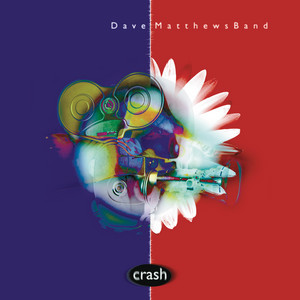
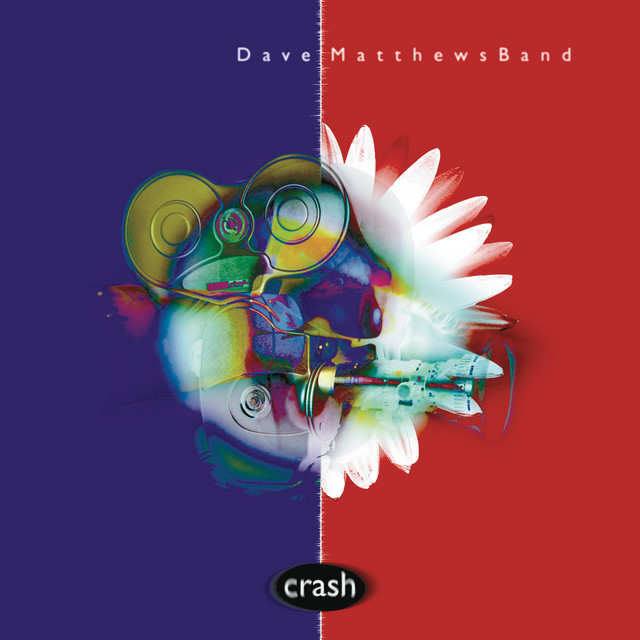
The song itself is six minutes and thirty-nine seconds buried near the end of Crash. It never got a real title, just a number, like “#36” and “#34” and the rest of the band’s catalog of half-finished ideas. It opens with a bass figure from Stefan Lessard that sounds like a question, and it never soars. It doesn’t try to.
Crash was recorded at Bearsville Studio in Woodstock in late 1995. John Alagía engineered. Steve Lillywhite produced — the same Lillywhite who had worked with U2 and the Rolling Stones, who knew how to make a room full of musicians sound like they were breathing at the same tempo. And by 1995 this was a room worth recording that way: Boyd Tinsley on violin. Carter Beauford on drums. Lessard on bass. Moore on saxophone. They had come up playing Trax Nightclub in Charlottesville night after night, for years, until they could finish each other’s sentences in the dark.
By the time they got to Bearsville, they didn’t have to prove any of it. On this song, they don’t.
“#41” barely moves. It opens, it breathes, it circles. Moore’s saxophone doesn’t arrive so much as drift in, like smoke under a door. Beauford plays so quietly that you have to listen for him, and once you find him you can’t unhear how much he’s doing at that volume. The song runs nearly seven minutes and earns them not by building to something but by refusing to.
“Come and see, I swear by now I’m playing time against my troubles.”
I keep coming back to that line. It isn’t a couplet you’d carve into anything. But playing time against your troubles — not fighting them, not solving them, just playing time against them — sounds like something a person actually figured out at 2 AM and wrote down before it disappeared. The whole song sounds like that. Provisional. Still working something out.
Maybe that’s why it never got a name. You don’t name the things you haven’t finished.
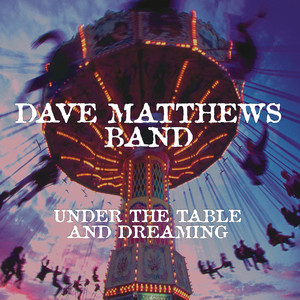
It matters when this was recorded. By 1996 the band was enormous. Under the Table and Dreaming had gone four times platinum. They were playing sheds. The jam-band audience was filling up with kids who had never seen the Dead, who came with blankets and set lists on notebook paper and traded bootlegs the way their older siblings had traded tapes of Europe ‘72. The pressure on a band in that position is simple: become the thing the rooms already believe you are. Deliver the big moments. Give the crowd what it came for.
“#41” gives the crowd nothing it came for.
That’s the thing Lillywhite protected at Bearsville. There is a version of every band that exists before the show — before the audience, before the obligation to deliver — and it plays quiet and slow and doesn’t explain itself. Crash has louder songs and more famous songs. “Crash Into Me” is on it. “#41” is the one that sounds like the band when they forgot anyone was listening.
Which brings me back to Moore.
His saxophone is the breath of this song. Not the melody, not the solo — the breath. And since 2008 the band has gone on playing “#41” live, the way working bands do, and the part still drifts in where it always drifted in, except it comes from someone else now. If you know the song, you can hear the difference. His absence is a specific weight in the middle of this particular song, in a way it isn’t anywhere else in the catalog.
Six minutes and thirty-nine seconds. A bass question. A drum whisper. A line about playing time against your troubles, written down before it could disappear, never finished enough to deserve a name.
Some songs are finished. This one never was, and now it never will be. Someone else plays the part.
It’s still his.