Pearl Cadillac
The Pearl Cadillac belonged to his mother. The whole song is built around that one fact.
The Pearl Cadillac belonged to his mother. The whole song is built around that one fact, and Gary Clark Jr. never bothers to explain it. He doesn’t have to.
It isn’t a prop or a metaphor waiting to be decoded. It’s a real object from a real past, and he sings about it the way people talk about the things their parents left behind — with reverence, and with the specific grief that comes from loving something you can never fully have back.
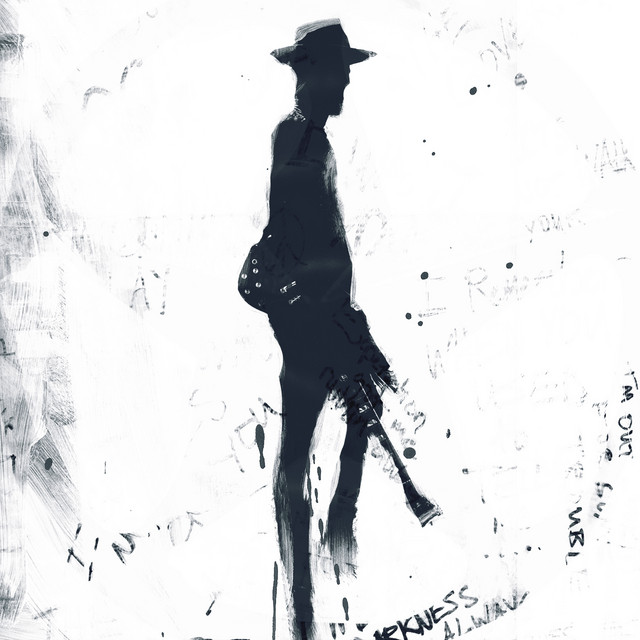
The song comes from This Land, Clark’s 2019 album. That was the record where he stopped hedging, stopped trying to be palatable to the rock stations that had been halfway courting him for a decade, and just made the record he needed to make. A Black man from Austin writing about America — the beauty of it and the ugly of it and the refusal to let go of either. Pearl Cadillac sits in the quieter register of that album. It’s not one of the barn-burners. It doesn’t announce itself. It just rolls.
What Clark does on the guitar here is worth stopping for. He’s not showing off. The tone is warm, unhurried, a little dusty, like something recorded on two-inch tape in a room where people were smoking. He knows a thousand ways to make a guitar scream, and he chooses not to use any of them. The song is about tenderness, so he plays tenderly. That kind of discipline is harder than it looks when you’re someone who can tear a solo open at will.
Then Andra Day comes in.
Her voice on this recording is something you don’t quite prepare for, even if you know what she can do. She isn’t a featured guest in the way that term usually means — a cameo, a co-sign, somebody trading bars. She’s in the song the way a second instrument is in a song. She and Clark weave around each other without fighting for space. Two enormous voices deciding, together, to be gentle.
“She said don’t you worry, baby, everything’s gonna be alright.”
That’s the center of it. That’s the car. The Pearl Cadillac belongs to his mother, or the mother in the song, or both, which is probably how it works. What the song is really about is the particular safety of being in a car with someone who loves you absolutely, when you’re small, and the world outside the windows is whatever it is, and inside the car it’s warm and there’s music on and nothing can touch you yet.
The blues has always held contradiction — joy and sorrow in the same breath, the same chord, sometimes the same word. Pearl Cadillac earns its place in that tradition. Not by being a blues song in the technical sense. The form wanders. It isn’t twelve bars. It doesn’t resolve the way the genre usually resolves. It earns its place by understanding what the blues is actually for, which is telling the truth about what it felt like. All of it at once.
Clark grew up in Austin in a family that treated music like oxygen. Both his parents played. The house had guitars in it. The church had gospel in it. You can hear all of that in this song. The gospel lift in the chorus. The way he carries a note the way a preacher carries a thought, not rushing toward the end of it. He absorbed a tradition and then made it his own so completely that the seams don’t show.
There’s a version of this song that could have been overproduced into softness — strings swelling, drums clicking on the grid, the edges sanded off until it was pleasant background music. That isn’t this. The production breathes. You can hear the room.
The Pearl Cadillac is gone now, presumably. The mother is older, or gone too. The song doesn’t say. What remains is the memory of it: the sheen of that paint in sunlight, the smell of the interior, the feeling of being held inside something beautiful that belongs to someone who loves you.
Three and a half minutes. Not a note wasted.
Sometimes the most devastating thing a song can do is whisper.