Limelight
Neil Peart was dying for three and a half years and almost nobody knew. He told us in 1981 that he would do it this way.
Neil Peart was dying for three and a half years and almost nobody knew.
Brain cancer. He died in January 2020, and the diagnosis stayed almost entirely private the whole way down — a man who once called himself a “reluctant celebrity” holding the line on the hardest privacy there is. He had told us he would do it this way. He told us in 1981, in four minutes and nineteen seconds, and then the song became one of the most recognized things on classic rock radio. A song about not wanting to be seen, heard by everyone.
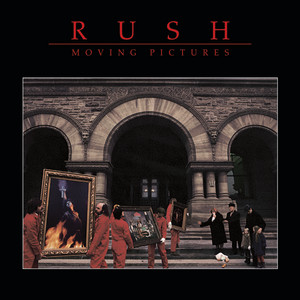
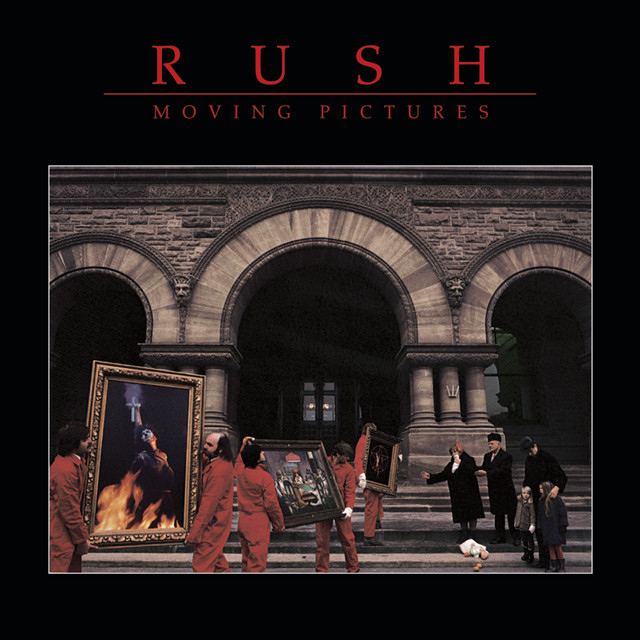
“Limelight” came out of the Moving Pictures sessions in 1981, at Le Studio in Morin-Heights, Quebec — a residential studio out in the Laurentians with a pool table and a lake, far enough from Toronto that nobody dropped by. Rush kept going back there because it let them work without the clock running like a meter. Terry Brown produced, as he had from the beginning; he understood that the band’s sound lived in the space between precision and catastrophe, and he didn’t flinch from either side of it. Alex Lifeson tracked the guitars with that combination of distortion and clarity that still doesn’t sound like anything else — big open chords in the verses that hold back a little before the pre-chorus pulls the floor out.
But the lyric is the part that lasted. By 1981 Peart was on the far side of a decade of arenas and bus calls and strangers who felt entitled to him, and he had made a decision. He wasn’t going to perform being approachable. He would show up, play the drums, and go back to wherever Neil Peart went when nobody was watching.
“Living in the limelight, the universal dream / for those who wish to seem.”
Seem. He isn’t judging the people who want the lights. He’s drawing a line between wanting to be seen and wanting to do the work. Some people the lights are the point for. For others the lights are just what happens when you’ve done the thing long enough, and you never adjust, and you never will. Peart was the second kind, and he said so without dressing it up.
The playing holds up without anyone arguing for it. Lifeson’s descending figure in the intro has a looseness the rest of the catalog sometimes trades away for tightness — this is him as good as he ever got on record. Geddy Lee is doing three things at once, which for him counts as restraint. And Peart’s fills all land where they should land, every one of them, which shouldn’t be possible given how many there are.
What I keep coming back to is that the song believes itself. There’s no wink in it. Peart wanted to read philosophy and ride motorcycles and not be famous, and he happened to be the drummer in one of the biggest rock bands in the world, and there was no good solution to that, and he wrote down that there was no good solution. His bandmates carried it differently. Lifeson grinned through the whole thing. Lee was wry about it. Peart couldn’t pretend, so he wrote the song instead.
“I can’t pretend a stranger is a long-awaited friend.”
Strangers heard that line and felt seen by it — felt seen by a man who specifically did not want to see them. He meant it as a boundary. It worked as an embrace anyway, and he had no say in that. Once you tell the truth that plainly, it stops being yours to aim.
After Rush’s final tour, he retreated for real. He learned to play drums again after a long break. He taught. He rode. He had been practicing the oldest form of disappearing: just living your life. Then came the diagnosis, and the three and a half years, and January 2020 — and the silence held the entire time, because he had spent his whole life building the kind of silence that holds.
The song is still in the limelight. It plays forever in exactly the places he spent his career trying to step back from, and he knew it would, and he wrote it down anyway, because that’s what you do with a truth that won’t leave you alone. You put it in a song. You play it every night for twenty thousand people. You go back to the bus.
Three and a half years, and we never knew. He had told us we wouldn’t.