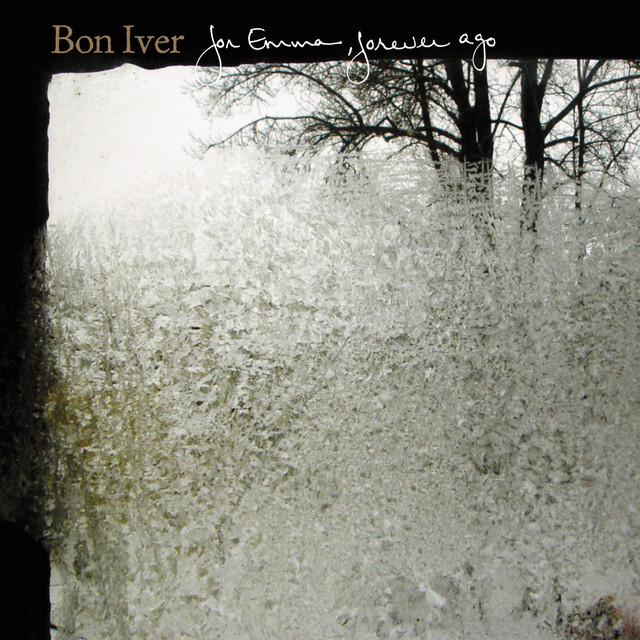
Skinny Love
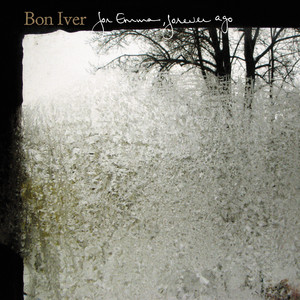
Justin Vernon recorded "Skinny Love" alone in a hunting cabin in northwestern Wisconsin in the winter of 2007, after his band had dissolved, his relationship had ended, and a liver
You’ve been in a love like this — one that consumed both people in it without being enough to sustain either of them. Starving, and it won’t quit. Justin Vernon gave that thing a name so precise that once you’ve heard it, you can’t describe the experience without those exact two words: skinny love.
The name is his, but the song came out of a specific place. A hunting cabin in northwestern Wisconsin, winter of 2007. His band had dissolved, his relationship had ended, and a liver infection had put him flat on his back for weeks. The cabin belonged to his father. He drove up in the fall with a bag of instruments, a portable recording setup, and what he later described as nothing to do but make something — months of the kind of isolation that either breaks a person or forces them into honesty so deep it surprises even the person doing the confessing. He came out the other side with eleven songs, recorded in the cold, his breath probably visible while he sang, the sound of the room part of the recording because there was no other room.
“Skinny Love” opens with a guitar figure that sounds like a man pacing — not nervous pacing, restless pacing, the kind that comes from running the same thought through your head until it wears a groove. Then the voice, and it is doing something specific: singing falsetto not to be pretty, but because falsetto is where a voice goes when it has run out of argument and is left with something closer to grief. It’s not a technique choice. It’s what was left.
“Pour a little salt, we were never here.”
Vernon tracked most of the album himself — twelve-string, banjo, some piano, his own voice layered over itself — and the production sounds like what it was: a man in a cold room, alone, keeping himself busy so he wouldn’t stop. The drums on “Skinny Love” are forceful in a way the rest of the record isn’t, and the force feels less like a musical decision than a physical one. Something to hit. Somewhere to put what he was carrying.
“Staring at the sink of blood and crushed veneer” shouldn’t work as a lyric — too strange, too compressed. It lands because by the time Vernon gets there, the song has earned the strangeness. You don’t need to decode it. You already know the feeling it’s pointing at: looking at something ordinary and seeing the wreckage underneath.
And listen to what he’s actually asking for. “Come on, skinny love, just last the year.” Not forever — enough. Most love songs ask for the whole sky; this one asks for twelve more months. That’s the particular desperation the song lives in. Not dramatic, not final. The daily negotiation of a person trying to keep something alive that has already started to go thin.
Vernon finished the record, burned a hundred copies himself, sold them at shows and sent them to friends. That was supposed to be the end of it — a document, something he made during the hard part, proof he came through. Then Jagjaguwar picked it up and released it properly in 2008, and Bon Iver — a misspelling of the French bon hiver, good winter, a strange thing to call a project rooted in one of the worst winters of your life — started playing festivals. People who had never been to a hunting cabin in Wisconsin heard the album and understood it immediately, because what Vernon had recorded in the isolation was not private at all. It was just honest, and honesty has a way of traveling.
Birdy covered the song in 2011, fourteen years old, singing it at a piano, and her version introduced it to a second audience entirely — people who came backward to Vernon’s original and found something rawer and stranger than they expected. Her cover has north of a hundred million plays now, and the original has more, for a record that was supposed to stop at a hundred burned CDs.
He drove out of those woods in the spring.