Lie In Our Graves
LeRoi Moore played the saxophone on "Lie in Our Graves" like he was in an argument with the song, and winning.
LeRoi Moore played the saxophone on “Lie in Our Graves” like he was in an argument with the song, and winning.
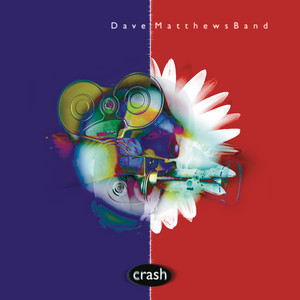
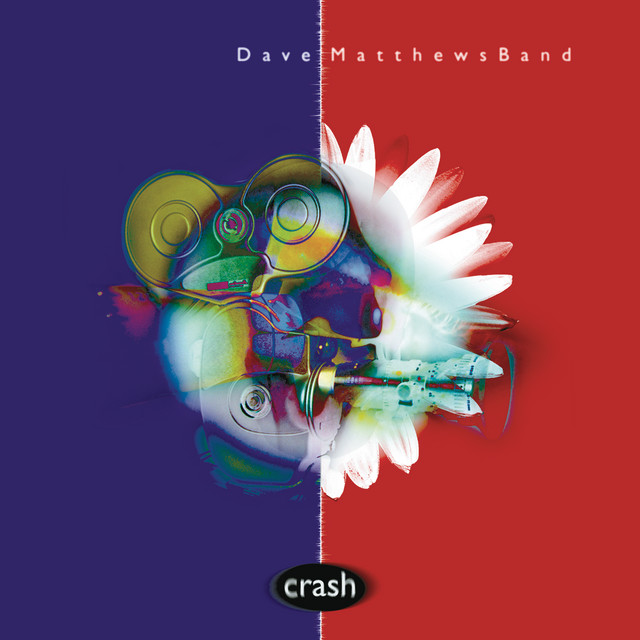
That’s not hyperbole — it’s the thing the record doesn’t fully prepare you for. The 1996 studio cut on Crash is already loose and long, Dave Matthews’s voice climbing through a song about being alive in your own body, present in your own life, grateful for it in a way that borders on desperate. But what the studio version gestures toward, the live versions — the ones from Live at Red Rocks 8.15.95, from arenas in 1996 and 1997 — deliver in full. Moore would unspool something in those performances that had no particular destination and didn’t need one. He’d find a corner of the song and live in it for a while. And then he’d find another corner. And the crowd would follow him into both of them, willingly, completely.
LeRoi Moore died in August 2008 from complications following an ATV accident. He was forty-six. The band had already gone out on the road for the summer without him, expecting he’d heal and come back. He didn’t come back. “Lie in Our Graves” is, among other things, a song about not wasting the time you’re given, and Moore spent sixteen years playing it on stages all over the world, and then one day there were no more stages.
Matthews wrote the song in the early nineties, when the band was still a Charlottesville, Virginia bar act — playing Trax and the Flood Zone, building a following by playing constantly, recording and distributing their own tapes through a network of fans who would become the template for what the internet eventually made ordinary. The song appeared on their self-released Remember Two Things in 1993, before any major label was paying attention, which means it belongs to that first phase where the songs were just songs — no marketing, no positioning, just a bunch of musicians from different continents who had found each other in a college town and were figuring out what they sounded like together.
What they sounded like was nothing else on radio in 1993. Matthews’s open-tuned guitar. Carter Beauford’s drumming, which had more in common with Tony Williams than with anything in the pop-rock world. Boyd Tinsley’s violin. Stefan Lessard on bass, who was seventeen when he joined the band. And Moore, who had grown up on jazz and brought that sensibility into every room he walked into. The blend was improbable. It worked completely.
“Can I just lay here and sweat in the sun?”
That line sits in the song like the whole argument in miniature. It’s not asking for anything complicated. It’s asking for permission to feel good about being alive, to be in a body in warm weather and not need more than that. The song is a sustained refusal of the guilt that comes with pleasure — the Protestant hangover that says you should be doing something useful, building something, not just lying there in the sun. Matthews pushes back against that guilt with every verse, and the music pushes back against it with its length. The song refuses to be brief. It refuses to get to the point. The point is refusing to get to the point.
Crash was recorded at Bearsville Studios in Woodstock, New York, produced by Steve Lillywhite, who had already worked with U2 and the Pogues and would prove himself again and again to be a producer who understood how to capture a band that played better live than most bands played anywhere. He didn’t sand the edges off. The record has a warmth and a physical presence — you can hear the room in it, the way the instruments breathe together.
“Lie in Our Graves” runs five minutes and forty-two seconds on the album, which in pop terms is an eternity, and in the band’s catalog is practically a sketch. The song knows it has time and uses it accordingly. Beauford doesn’t play at the song — he plays through it, around it, underneath it, his hi-hat patterns doing things that require multiple listenings to track. Tinsley’s violin appears and recedes like weather. The whole arrangement is structured to let the players stretch out, make choices, stay in the moment longer than the moment usually allows.
That’s what the song is arguing for, after all. Staying in the moment. Not hurrying through to the next thing. Lying in your grave — not dead, but surrendered. Horizontal. Watching the sky.
There’s something almost countercultural about it now, more than there was in 1996, because the culture has only gotten better at making you feel like you should be optimizing, accelerating, producing. A five-minute rock song in which the central request is let me just be here for a while reads differently in a world that has built entire industries around the anxiety that you are always slightly behind.
Moore understood that the saxophone solo doesn’t need to go anywhere. It just needs to mean something while it’s happening. He’d been trained in that by jazz — by the tradition that says the note you sustain and bend and let vibrate is worth more than the note you rush past. He brought that discipline into pop music and made it look effortless, which is the hardest kind of discipline.
The band has kept playing the song since he died. They bring in other horn players, and those players are good, and the song holds because songs hold. But anyone who heard Moore do it — in those Red Rocks sets especially, altitude and open sky and the band locked into each other in the way bands only get after thousands of hours together — knows what isn’t there anymore. The argument he was winning. The corner of the song he’d find and live in for a while.
He had forty-six years. He used them. He played until he couldn’t. And every version of this song that still exists with him on it is evidence that he understood, at least at the level of music, what Matthews was trying to say: that the living is the thing. Not what you build from it. The living itself.
That’s not nothing. That’s everything.