Proudest Monkey
Dave Matthews wrote "Proudest Monkey" in the voice of a creature who left the trees.
Dave Matthews wrote “Proudest Monkey” in the voice of a creature who left the trees.
That’s the whole setup. An ape drops from the canopy, walks into the city, learns the names of things — buildings, ambition, loneliness — and then stands in all of it and wonders whether he made a mistake. The song runs nine minutes and ten seconds, which is long enough to actually live the question rather than just pose it.
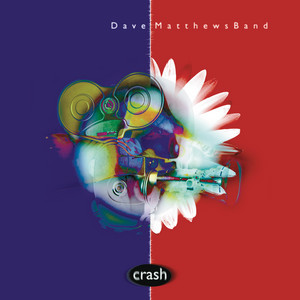
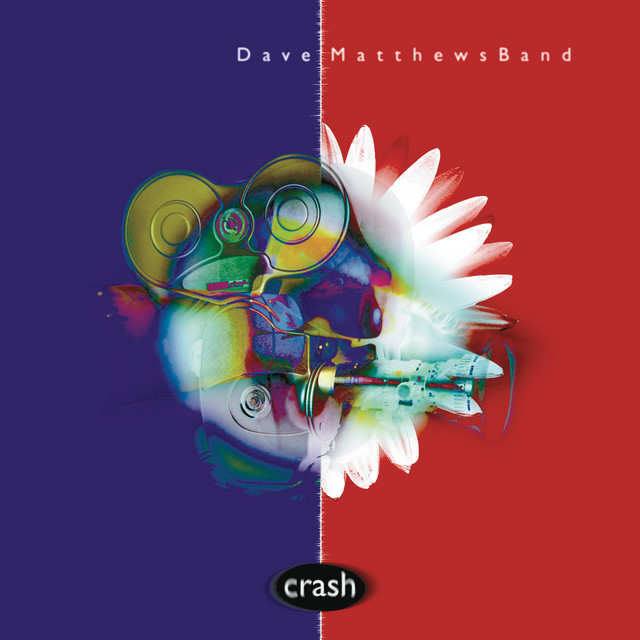
Crash came out in 1996, produced by Steve Lillywhite at Bearsville Studio in Woodstock, New York — the same upstate rooms where The Band had once tried to figure out what American music was supposed to sound like. Matthews and Lillywhite had already made Under the Table and Dreaming together, which had broken the band wider than any jam band had broken before. By the time they got to Crash, they knew what they were doing and had the space to do it slowly. “Proudest Monkey” sits at the end of the record like a man sitting down after a long day of pretending. Sides A and B of a record that opened with “So Much to Say” and “Two Step” and kept the energy high for most of its run — and then this.
The song begins quietly, just Matthews and his guitar, almost conversational. He’s telling you about a monkey who is thrilled. Who swings into the new world and finds it astonishing. The verse piles up the wonder of it: swing the buildings, felt the sun, something new beneath the sun. There’s no irony in it. The monkey is genuinely happy. He has made it somewhere.
And then the song shifts — Boyd Tinsley’s violin, Stefan Lessard’s bass, LeRoi Moore’s saxophone starting to move underneath — and the monkey starts to feel the other thing.
Moore is the reason this song sounds like what it does. He died in 2008, a punctured lung from a golf cart accident on his farm outside Richmond that summer, and what gets lost in any recounting of his death is how strange and irreplaceable he was as a player — not a jazz saxophonist playing rock shows, not a rock player who happened to own a horn, but something that didn’t have a name yet. He could make the alto sound like it was grieving and celebrating at the same time. There’s a passage in “Proudest Monkey” around the six-minute mark where the whole band is cooking and Moore is just running above it, not soloing exactly — commenting, the way a person comments on a story they’ve lived through. He sounds both inside and outside the song at the same moment.
That’s the sensation the song is after. Inside and outside. The monkey in the city, looking back at the jungle. Both places real, neither one fully home.
“Chimpanzee on a Rocket to the Moon / Oh how proud, oh how proud, how proud of that chimp.”
Matthews has said in interviews that he was thinking about his own life — the South African childhood he’d left behind, the move to Charlottesville, the strange overnight transformation from a bartender playing small rooms to a band selling out arenas. What does it feel like to leave the place you come from and become something you never planned to be? The song gives that feeling to an animal, which is the smart move. You can’t argue with a monkey. You can only watch it try to navigate a world that doesn’t have its smell.
The last few minutes are the band playing the monkey home. Not back to the trees specifically — more like to some reckoning point where he can sit with both things at once. The arrangement opens up, gets loose, lets everybody breathe in it. Tinsley bows something that sounds almost like birdsong. Carter Beauford’s drums hold the center without pushing it anywhere. And Matthews repeats the line that the whole nine minutes have been building toward:
“Swing in the trees, swing in the trees, swing in the trees.”
It’s not a resolution. It’s an acknowledgment. You can want the city and still remember the trees. You can be the proudest monkey on the block and still know, in some place you don’t talk about at dinner, that the block isn’t where you’re from.
The song ends without settling the argument. It just plays long enough that you feel the weight of carrying it.