So Much to Say
Stefan Lessard was seventeen when he joined this band. Carter Beauford had been a professional drummer since the mid-seventies. This song is what that gap sounds like closed.
Stefan Lessard was seventeen years old when he joined this band.
Carter Beauford, the other half of the rhythm section, had been a professional drummer since the mid-seventies — a session and jazz player with technique most rock drummers never get near in a lifetime of practice. A teenager locked in underneath him. “So Much to Say” is four minutes of what that pairing sounded like by 1996, and the first thing Dave Matthews does is state the premise out loud: “I find that lately, things come at me in waves.” Then the song spends the rest of its running time coming at you in waves.
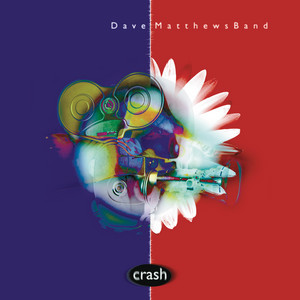
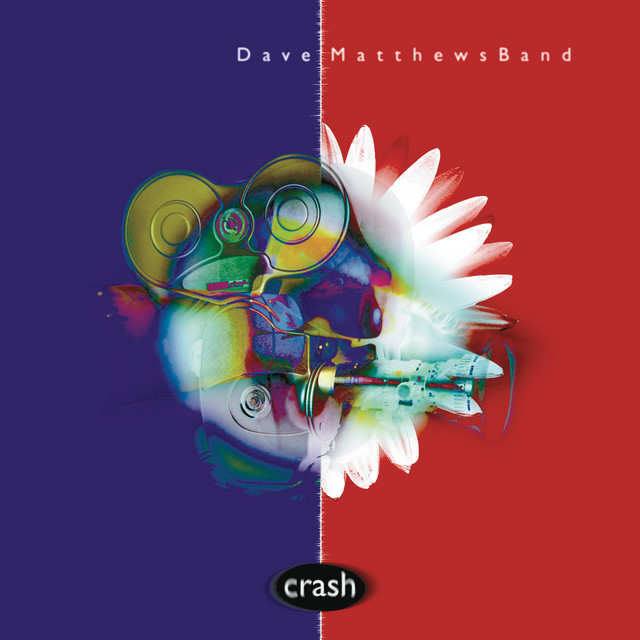
Crash was recorded in early 1996 at Bearsville Studios in Woodstock, New York. Steve Lillywhite produced — the same Lillywhite who spent the eighties making records with U2 and Talking Heads, and who had already done Under the Table and Dreaming with this band. He understood what he was working with. Not a rock band with jazz tendencies. Not a folk act that drifted into improvisation. Five people who had played the bars of the Charlottesville circuit until they could read each other the way musicians usually only manage after decades together.
On paper the lineup is an accident. Beauford, the jazz professional. LeRoi Moore, up through the Charlottesville jazz scene, playing saxophone loose enough to sound like a conversation. Boyd Tinsley, classical background, on violin. Lessard, seventeen. And Dave, who wrote the songs in his apartment — some barely finished, some already strange — and handed them to these four.
It worked. Nobody else was making this sound in 1996. It owed debts to Miles Davis and Jimi Hendrix and South African township music all at the same time, and somehow it made arenas feel like the room had gotten smaller.
The song won a Grammy in 1997 — Best Rock Performance by a Duo or Group. That’s true, and it explains nothing. What explains the song is the bridge. On live recordings the band drops out of “So Much to Say” into a separate song their fans came to call “Two Step,” and on the album version you can hear the seam of it: the groove shifts, the structure loosens, the whole thing goes briefly weightless before it snaps back. No producer built that moment. Five people who had played together long enough knew exactly when to let the floor fall out, and exactly when to put it back.
Listen to the kick drum. Beauford makes the pattern sound effortless because that is what he does. Try to tap it out with your hands and count how long you last before you lose the thread. Lessard — seventeen — locks into it like he was born next to it. And on top of all that machinery, Dave’s acoustic guitar and voice are nearly the simplest things in the arrangement. That was always the inversion at the center of this band. Most songwriters build a band to realize their vision. Dave wrote songs that gave his band room to be extraordinary, then stood in the middle of them and tried to keep up.
The words tumble over each other. Tinsley’s violin comes in sideways. In the middle of the song Matthews circles back to something quieter and more personal — lying in bed, turning over what somebody said — and then the whole thing surges again. He was known even then for lyrics that stayed impressionistic on purpose. He wasn’t writing verses so much as catching the feeling of too many thoughts moving too fast. The title isn’t decoration. It’s the method.
“I’ve so much to say, I’ve so much to say.” He repeats it. He repeats it again. The band doesn’t resolve it for him. They keep moving, keep complicating, keep finding new corners in the structure — and what comes through isn’t chaos. It’s company. The feeling of having more inside you than any one moment can hold, and the relief of being surrounded by people who will stay in the room while you try to get it out.
Some songs say one thing perfectly. This one says everything imperfectly, on purpose, and that’s harder. It takes a band to do it — a rhythm section that was seventeen and thirty-something and played like they’d grown up in the same house.
I’ve listened for the gap between them more than once. Somewhere in those Charlottesville bars it must have closed, a little at a time, long before the rest of us got to hear them.