Dust on the Bottle
The song got to number one because of a line about wine nobody in Nashville was supposed to care about.
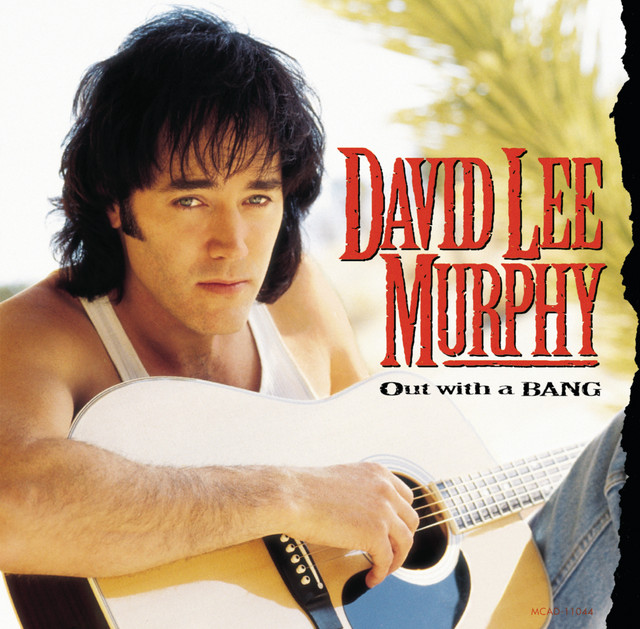
Not the hook, not the groove — a line buried in the second verse about a bottle of homemade wine in a neighbor’s cellar that’s been sitting so long it’s got dust on it. That’s the whole title, the whole image, the whole reason the song works. David Lee Murphy wrote it, cut it for his debut record in 1995 with producer Tom Collins, and watched it go to the top of the country charts on the strength of one dusty bottle and what it meant.
What it means is this: the best things in your life are the ones you almost didn’t notice. They were right there the whole time, a little neglected, waiting on the shelf.
Murphy grew up in Murphysboro, Illinois — a town of about eight thousand people in the flat southern part of the state, where the Mississippi Delta starts blending into the Midwest and the music starts blending with it. He wasn’t an overnight arrival in Nashville. He spent years in the rooms where songs get written before anyone agrees they’re worth recording, writing cuts for other artists, learning how the machinery worked. By the time Out with a Bang came out he was thirty-four years old and had already paid a long apprenticeship. The debut album was the result of someone who’d been sitting on things for a while.
That patience is in the song.
“She’s been waitin’ for someone to take her home.”
He’s talking about the girl. He’s also talking about everything — the wine, the feeling, the life you nearly let pass you by while you were busy being too cool or too busy or too uncertain to reach for it. Murphy doesn’t explain the metaphor. He trusts the listener to make the connection, and the listener always does, because everyone has a version of the dusty bottle somewhere — the phone number you kept but never called, the road you thought about taking, the summer that almost happened.
The production on the track is deceptively simple. Collins kept it loose and warm, with a fiddle line that doesn’t try too hard and a groove that sits right in that mid-nineties country pocket — not quite honky-tonk, not quite pop, just a song feeling comfortable in its own clothes. The electric guitar carries a little grit. The whole thing sounds like a weekend afternoon that turned into something better than expected.
Murphy’s voice is a country instrument in the old sense — not polished flat, not over-coached, carrying just enough sand in it to make you believe he actually knows that neighbor and actually drinks that wine. There’s a looseness to the delivery that matches the looseness of the production, two things that were made for each other.
It hit number one in September 1995 and stayed there for two weeks. Murphy had a handful of other charting singles, but this was his song, the one that defined him, the way some first things define a person more than everything that comes after.
The reason it holds up is the reason it worked in the first place: the image is specific enough to feel real and open enough to feel like yours.
A dusty bottle. A cellar. A neighbor who’s been saving it. The girl who’s been waiting. The moment where you finally decide that tonight is the night you go ask for it.
Murphy didn’t write a song about seizing the day. That would have been too much. He wrote a song about a small, unhurried courage — the kind where you just walk over and knock on the door and say I heard you might have some of that old wine. The kind of courage that doesn’t look like courage at all from the outside.
Some songs say the big things in the biggest voice they can find. This one says the same thing quietly, sitting on a porch, letting the image do the work. The dust on the bottle isn’t a problem. It’s the proof that something good was worth waiting for.