Monsters
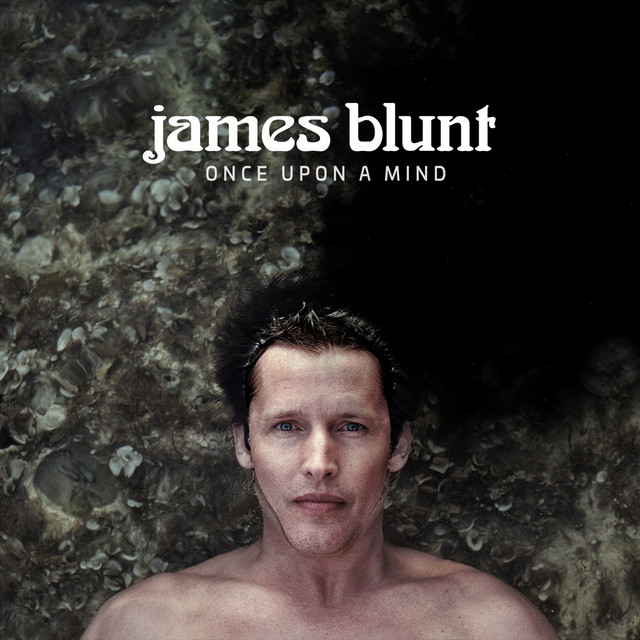
James Blunt wrote "Monsters" for his father, who was dying of kidney failure.
James Blunt wrote “Monsters” for his father, who was dying of kidney failure. Charles Blount — that’s the real family name, before James changed it to avoid confusion with an ancestor who led a failed coup — needed a transplant his son couldn’t provide. Different blood type. James wasn’t a match. And so the thing a son most wants to do in that situation, the one concrete act that could replace all the words, was off the table, and all that was left were the words.
The song came from there. Not from the observation that fathers and sons have complicated relationships, not from some general reckoning with mortality — from one specific room, one man in a hospital bed, one son who couldn’t give his father what he needed and had to find another way to show up.
I’m not your son, you’re not my father — we’re just two grown men saying goodbye.
That line has bothered people since the song came out, in the way that honest things sometimes bother people who wanted something softer. It strips the Hallmark version of the moment completely clean. No deathbed reconciliation. No long-buried tenderness finally surfacing. Just two adult men — this one, that one — at the edge of whatever comes next, telling the truth about the distance that lives inside even the closest families, right up until the last moment when that distance stops mattering.
Blunt has carried a public-image problem for years that has nothing to do with his actual catalog. The “You’re Beautiful” thing — the song that became a joke about sentimentality — sat on him for a long time, and he eventually leaned into self-deprecation about it as a way of surviving the conversation. But “Monsters” is the record that tells you who he actually is as a writer. It’s not interested in charm or commercial instinct. It’s interested in saying something true even when the truth is uncomfortable.
The production matches the instinct. There isn’t much to it — a sparse arrangement that never swells in the places a less careful record would have swelled, an absence of the strings and crescendos that could have inflated the moment into something bearable by being impressive. The song stays small on purpose. Small like a hospital room. Small like the space between two people who have run out of time for anything but the direct statement.
His father survived, as it turned out. A transplant came through from another donor. Charles Blount is still alive, and has spoken publicly about the song — about hearing his son sing it, about what it meant to have that document made while the outcome was still unknown. Which is its own strange thing to sit with. A song written at the edge of a loss that didn’t happen, carrying the full weight of a loss that felt certain in the room where it was written.
That doesn’t make the song less real. It makes it a record of the moment before — the moment when his father was dying and James Blunt couldn’t match his blood type and had to find what he could give instead, which was this three minutes and forty-four seconds, stripped bare, nothing dressed up, no monuments or metaphors, just a grown man standing next to his father and refusing to look away from any of it, including the hard fact that the love between parents and children is one of the least sentimental things on earth — it runs deep and costs a lot and sometimes there’s nothing you can do with it but say so.
I’m scared of being alone, and I’m scared of watching you go. The simplest possible statement. No inflation. That’s what the song offers his father, in the end: not comfort exactly, not reassurance, just proof that someone is there and paying attention and not pretending this moment is easier than it is.
That’s what he had. That’s what he gave.