Wait Until Tomorrow
Hendrix finished it in two minutes and fifty seconds. Mayer's live version runs four and a half. The extra time is the performance.
The best argument for John Mayer is four and a half minutes long, and it belongs to Jimi Hendrix.
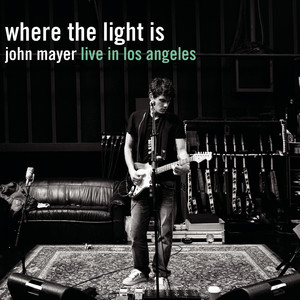
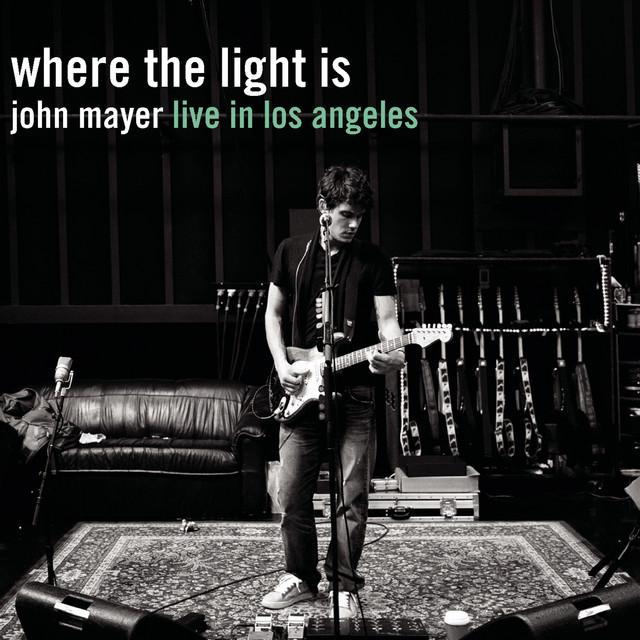
Hendrix finished “Wait Until Tomorrow” in two minutes and fifty seconds. Mayer’s version — recorded live at the Nokia Theatre in Los Angeles — runs four and a half, and the extra time is the performance. I know what people think of Mayer. The tabloid noise, the Playboy interview, the years of very public self-destruction — plenty of listeners had stopped listening before the music started, and this version got dismissed along with the man. It shouldn’t have been.
Start with the song, because the song is a story and the story matters.
Hendrix wrote it in 1967 for Axis: Bold as Love. A man stands outside his girlfriend’s window at midnight, trying to talk her into running away with him. She keeps saying not tonight. Wait until tomorrow. And then she says it one time too many, and he hears what she actually means. She had someone else. She always had someone else. He finds out too late, at the worst possible moment, with nowhere to put what he now knows except into the guitar.
Hendrix cut it at Olympic Studios in London — Noel Redding on bass, Mitch Mitchell on drums, Chas Chandler producing, the same team that had been building the Experience sound since 1966. The record is compact. It tells the story and it stops.
Mayer doesn’t stop.
What he does with the extra time isn’t padding. He brought a band to Where the Light Is that could hold a song open without letting it sag. Steve Jordan on drums — the same Jordan who played with Keith Richards on the X-Pensive Winos records. Pino Palladino on bass — the Who’s Next anniversary tours, the John Legend sessions, D’Angelo’s Voodoo. Players like that do not show up to fill space. When Palladino settles into this song, the low end stops being accompaniment and becomes the floor. You don’t notice it until it shifts, and then you notice everything.
Mayer’s Fender sounds worn in the right way here — warm, a little wrecked, the kind of tone that takes years to find and longer to trust.
He learned to play by listening to Stevie Ray Vaughan, and Vaughan’s approach to Hendrix was close to devotional: you don’t improve the song, you serve it. You find the feeling in your own hands and you offer that, and that is the version you give. Mayer plays it that way. He is not trying to out-play Hendrix, and he is not announcing himself over the top of the material. He is trying to be honest inside it for four minutes in front of a few thousand people. That is harder than it sounds, and you can hear him doing it.
The story underneath is old. The woman in the window. The man on the street. A delay that becomes a decision. Wait until tomorrow starts as caution and ends as dismissal, and the song never explains the distance between those two meanings because it doesn’t have to. Most of us have stood on one side of that window or the other.
What Mayer finds in the live version — this version, specifically — is the moment just before the man figures it out. The long, suspended note before the resolution, where he still doesn’t know, but something in the air has changed, and the guitar is asking the question his voice hasn’t gotten to yet. Hendrix told the story. Mayer stands inside the worst minute of it and holds still.
Some covers make you forget the original. This one sends you back to it, and then back here, and back again, trying to find where one man’s hurt ends and the other’s begins. I’ve stopped trying to find the seam.
Hendrix gave the man at the window two minutes and fifty seconds before the truth arrived. Mayer gives him more.
He lets him stand there a little longer, still believing in tomorrow.