Stay (I Missed You)
You know this song even if you've never bought the album — it's the one that came out of nowhere in the summer of 1994, no label, no tour, no machine behind it, just a twenty-six-y
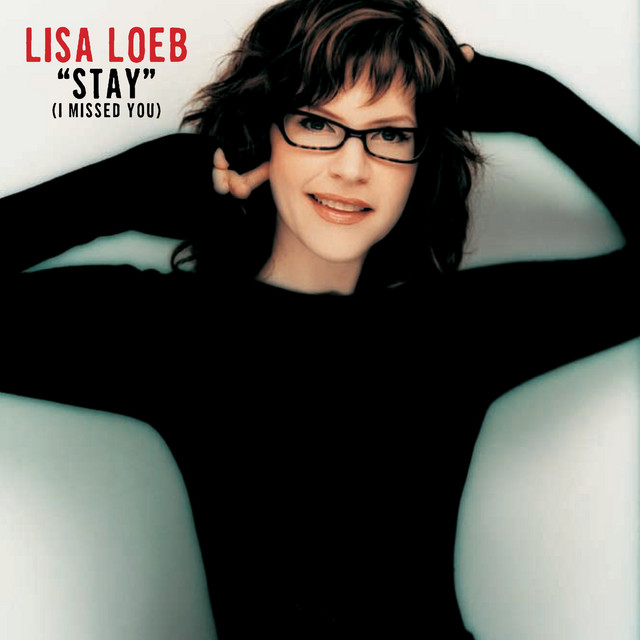
You know this song even if you’ve never bought the album — it’s the one that came out of nowhere in the summer of 1994, no label, no tour, no machine behind it, just a twenty-six-year-old in cat-eye glasses who had written it about a breakup and shot the video in her apartment and handed it to a filmmaker friend, and then the thing ended up on the Reality Bites soundtrack and went to number one before Tails even had a release date.
That’s not a Cinderella story. That’s a song doing what it wanted to do regardless of what anyone had arranged for it.
The breakup that produced it was with Dweezil Zappa. Loeb wrote it sitting with the aftermath of that — which is the kind of detail that seems too strange to be true but is plainly true — and what she came out with was not a breakup song in the usual sense. There’s no chorus that announces its intention. There’s no hook that tells you how to feel. There’s just a woman working through the arithmetic of a relationship out loud, circling the same questions from different angles, asking whether she’s the problem and then deciding she isn’t and then not being sure again.
You say I only hear what I want to.
The whole song is in that first line. Not a confession — an accusation. She’s reporting what someone told her, and the song is her answer to it, three minutes of trying to explain herself to a person who may not be listening, which is exactly what it sounds like every time you’ve tried to do it yourself.
Juan Muñoz produced the record, and what he kept was the smallness of it. The guitar is acoustic, close-miked, immediate — it sounds like something recorded in a room you’d recognize, not a studio built to make things larger than they are. The band is there, Nine Stories, but they’re serving the intimacy rather than filling it out. Nothing swells. Nothing lifts. The song stays at the same low altitude from the first measure to the last, which is its own kind of discipline.
Loeb had graduated from Brown two years before, with a degree in comparative literature. That matters — not because it’s a credential, but because the lyric moves like someone who has read enough to know what she’s doing. The way the verses accumulate without repeating, the way the logic turns back on itself, the way she’ll say one thing and then qualify it and then qualify the qualification — it’s the structure of an argument being made in real time by someone smart enough to know she might be wrong.
The record finally came out in 1995, and it wasn’t the same world it had been when the song was recorded. The moment had shifted underneath it. But the song was already fixed in people’s heads at the version they’d heard first — quiet, specific, honest — and no amount of promotion was going to change what it had already done.
What it had already done was land without a net. No precedent, no context, just a song playing over the end credits of a movie about young people who couldn’t figure out where they belonged, which made it the right song in the right place even if no one planned it that way.
Picture the apartment again: the cat-eye glasses, the camera a filmmaker friend is holding, the acoustic guitar close enough to the microphone that you can hear the room around it. She plays it through at the same low altitude from the first measure to the last, still working the arithmetic out loud, still circling the same questions from different angles, and when the last chord stops there’s no swell and no lift, just a woman in a room who has said the thing and doesn’t know yet whether it landed.