A Change Is Gonna Come
The night Sam Cooke heard Bob Dylan sing "Blowin' in the Wind," he was ashamed.
The night Sam Cooke heard Bob Dylan sing “Blowin’ in the Wind,” he was ashamed.
Not of Dylan. Of himself. He’d been writing love songs and pop numbers while a twenty-one-year-old white kid from Minnesota put the civil rights movement to music and made the whole country listen. Cooke went home from that concert and started writing. What came out of it was “A Change Is Gonna Come” — a song he spent months building and then, for a long time, refused to play live because it scared him.
The song was recorded in January 1964, at RCA Studios in Hollywood, with arranger René Hall conducting a thirty-piece orchestra — strings, French horns, a full choir of sound that Cooke had never let himself touch before. He’d been the king of Sam’s Records, a businessman, a crossover act careful enough to stay on the radio and out of trouble. He’d spent years reading the room. This song stopped reading the room.
I was born by the river in a little tent, and just like the river I’ve been running ever since.
That opening is not a metaphor. Cooke was born in Clarksdale, Mississippi, in 1931, the son of a Baptist minister, in a place where the river and the running were both literal. He left the South as a child and spent the rest of his life in motion — gospel groups, the Soul Stirrers, RCA, Hollywood, the whole long climb — and underneath all of it was the fact of where he came from and what was still happening there. The marches. The fire hoses. The bombings. He knew what he was writing about.
What makes the song strange, and what has kept it alive for sixty years, is that it doesn’t sound like protest. It sounds like prayer. Or more precisely like the place where protest and prayer are the same thing — where you have run out of energy for anger and what’s left is something quieter and more durable. It’s been a long time coming, but I know a change is gonna come. That’s not a slogan. It’s endurance made audible.
René Hall’s arrangement does something I keep coming back to. The strings don’t soar. They move like water, underneath everything, and they don’t resolve into triumph. They stay slightly restless, slightly unresolved, which is the only honest thing to do with a song about waiting for justice that hasn’t arrived yet. The music knows what the words know: the change is coming, but it isn’t here.
Cooke was cautious about the song. He recorded it in January and held it through most of 1964, performing it only occasionally, aware of what it might cost him. He’d built his career on being welcome everywhere — black radio, white radio, the Copacabana, the chitlin circuit. This song didn’t make compromises.
He was shot and killed in December 1964, thirty-three years old, in a motel in Los Angeles. The circumstances were disputed at the time and have been disputed ever since. “A Change Is Gonna Come” was released on the B-side of “Shake” two weeks after his death. It charted because people needed it to exist once he no longer did.
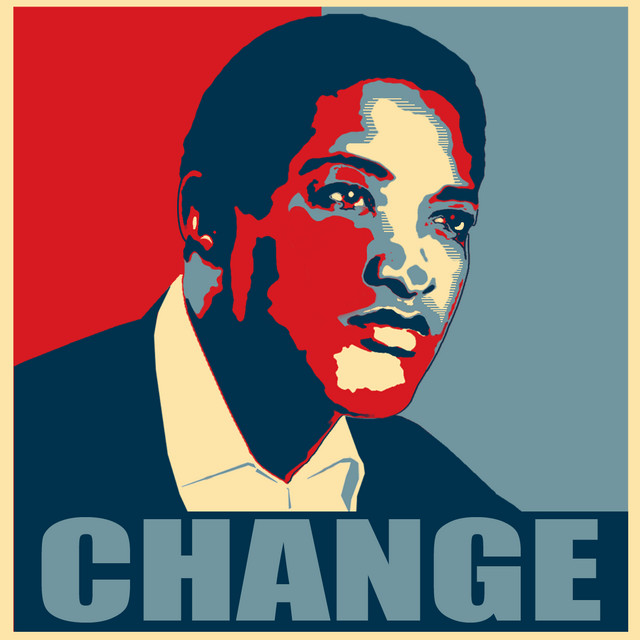
Every generation since has reached for it. It was sung in the streets and in churches and on stages when things got bad enough that people needed a song that already knew how bad things got. Barack Obama quoted it the night he was elected. It has been covered more times than anyone has counted, by artists across every tradition, because it belongs to a feeling that keeps recurring — the feeling of waiting, in full knowledge of what you’re waiting for, refusing to stop believing it will come.
But go back to the original recording, to Cooke’s voice in that Hollywood studio with the orchestra around him. What you hear is not a man making a political statement. You hear a man who was frightened of the song he wrote, who held it back as long as he could, and then let it go. The song sat on a shelf most of that year while history moved without it.
He ran out of time to know whether the change came.
The song didn’t.